MRD Is Already Proven Necessary in Clinical Practice
At the 2026 WCLC Congress, Natera presented the largest MRD dataset in lung cancer to date: 1,129 patients with resected stage I–III non-small cell lung cancer, with follow-up spanning 2016 to 2025. Patients who tested negative within 7–90 days after surgery had a 3-year recurrence-free survival rate 25% higher; patients who converted from negative to positive during surveillance faced approximately 5 times the risk of recurrence or death compared with patients who remained negative. These data lift the evidence for MRD in lung cancer to a new level, and also provides favorable evidence that tumor aggressiveness reflected by preoperative ctDNA can complement the ‘pre-treatment baseline’[1].
Overseas Regulation and Reimbursement Show That MRD ‘Can Be Done’
In the United States, Tempus was the first to disclose Medicare pricing and revenue expectations for liquid biopsy, anchoring a market benchmark for the reimbursement ceiling of the ctDNA/MRD field. This signals growing expectations for reimbursement of liquid biopsy at scale and is expected to secure approval and implementation in the second half of 2027[2].
Natera Signatera has received approval from Japan’s PMDA as the country’s first MRD assay, for adjuvant treatment decisions after resection of resectable colorectal cancer. The approval was based on the prospective GALAXY study (CIRCULATE-Japan; 150+ sites; 2,240 samples), supporting MRD-guided decisions on adjuvant chemotherapy[4], with commercialization in Japan expected by the end of 2026[3].
The Question Now: How to Choose in Clinical Practice?
Step 1: What MRD Testing Options Are Available?
Solid-tumor testing strategies continue to expand — from fixed large panels, to individualized small panels of roughly 10 loci built on fixed large panel prescreening, to customized panels of tens of loci selected by WES, and to panels with thousands of loci selected by WGS. Every MRD assay is working through the same difficulties: patient-specific loci arising from inter-patient tumor heterogeneity, low-input cfDNA, and low-abundance ctDNA.
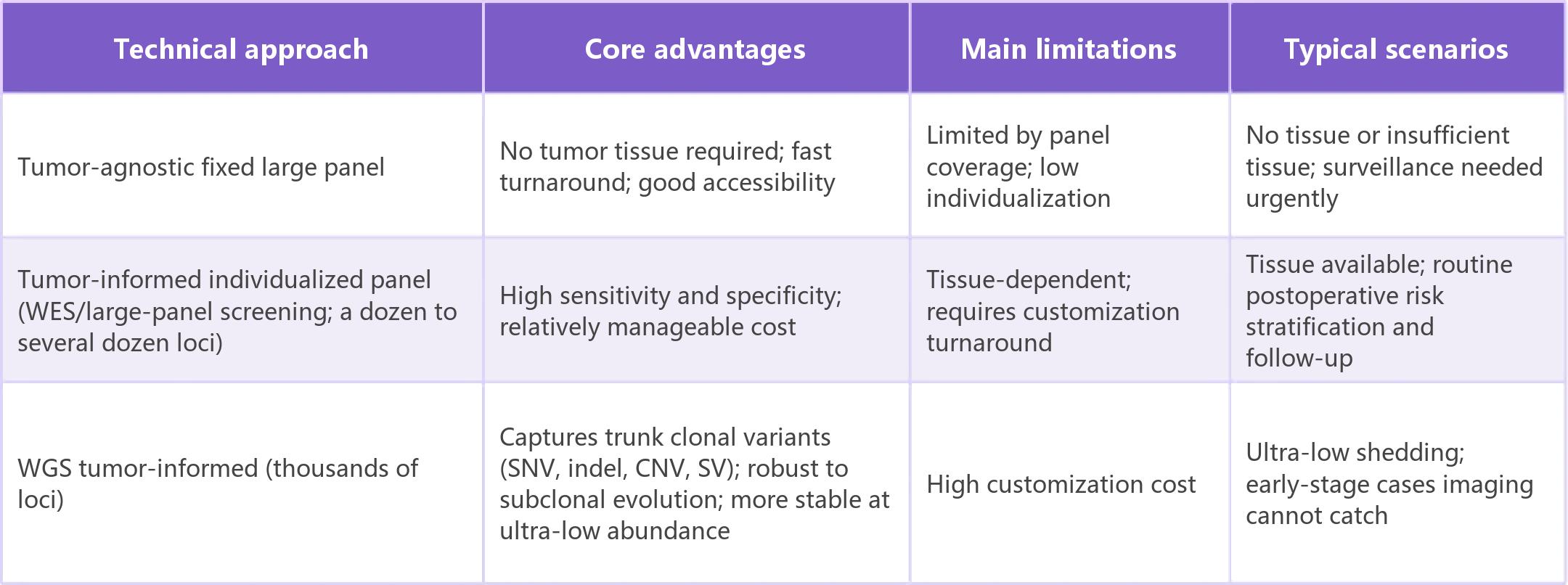
WGS-based tumor-informed assays stand out for ‘seeing the full picture.’ Recent research further shows that WGS-derived customized panels cover a broader range of genomic variants than WES, helping improve detection sensitivity in early-stage lung cancer with extremely low ctDNA shedding and increasing the ctDNA detection rate to 81%[5]. The trade-off is equally clear: customized tracking of thousands of loci comes at a high cost.
Step 2: How to Choose in Clinical Practice?
MRD is never a single answer: when tissue is available, tumor-informed assays offer the highest sensitivity; when tissue is unavailable, tumor-agnostic fixed large panels provide the coverage. The real challenge lies in three clinical questions — sample accessibility, manageable cost, and actionable results.
When tissue is available, choose a tumor-informed assay to pursue maximum sensitivity; when tissue is unavailable, choose a tumor-agnostic assay to ensure testing remains possible.
Whether more patients can actually be tested and followed over time depends less on technology than on time and cost. Only when both are reduced sufficiently can MRD evolve from a 'research tool' used in a few centers into a routine follow-up test that community hospitals can order and patients are willing to undergo.
iGeneTech offers a diverse portfolio of MRD testing solutions — select the assay that fits the need
1. Fixed Large Panels: Flexible Customization, Ultra-Fast Turnaround
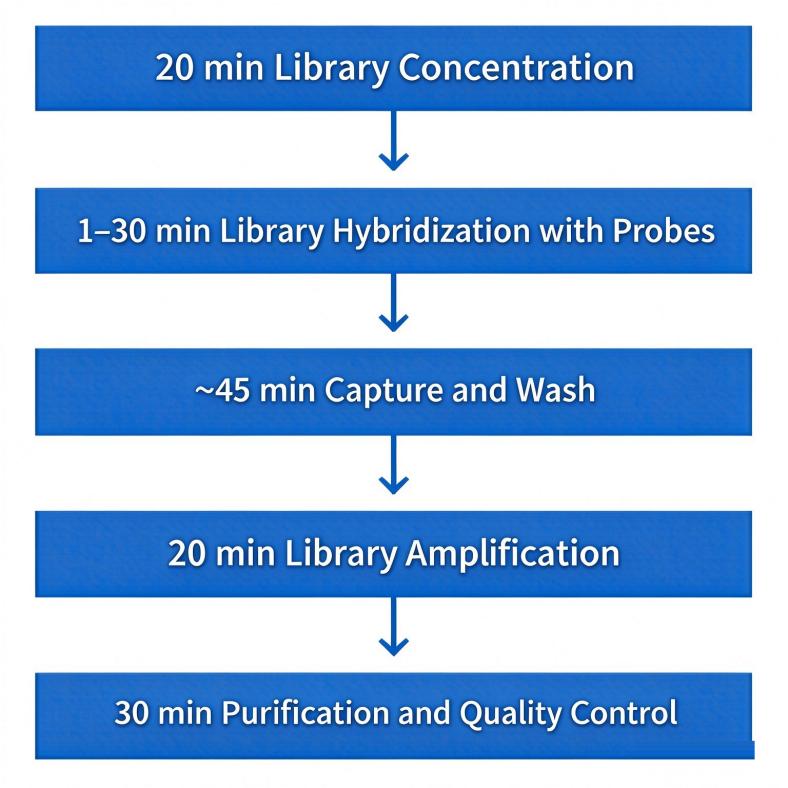
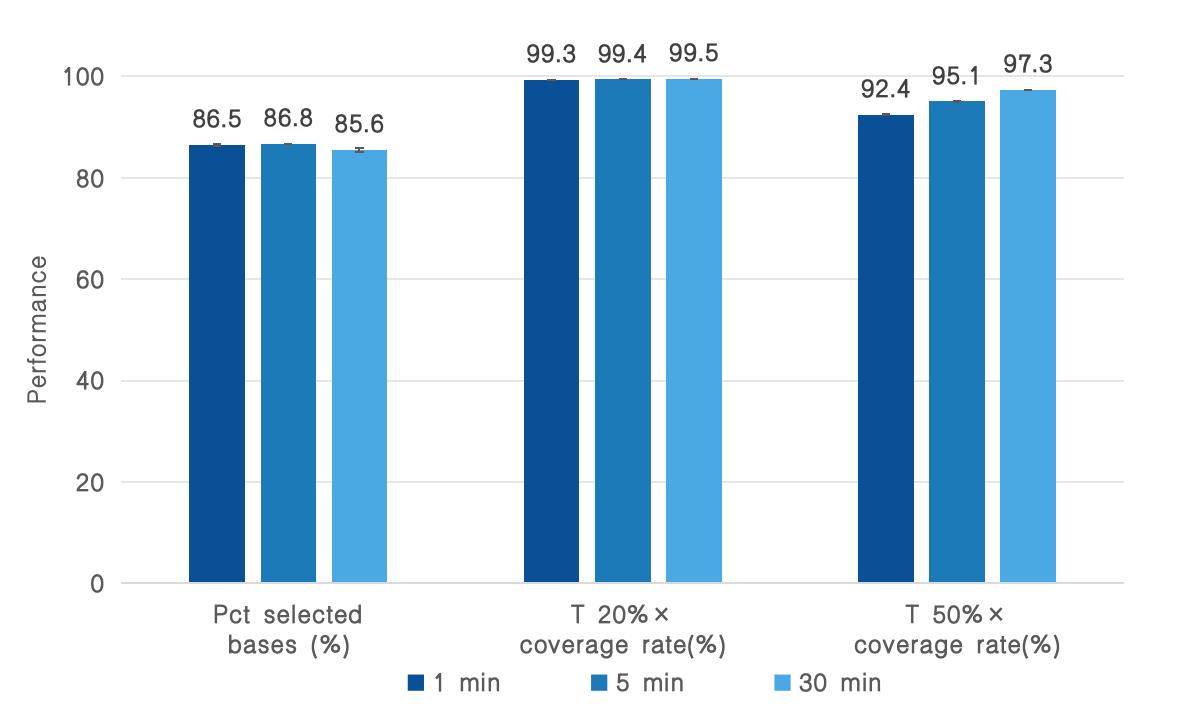
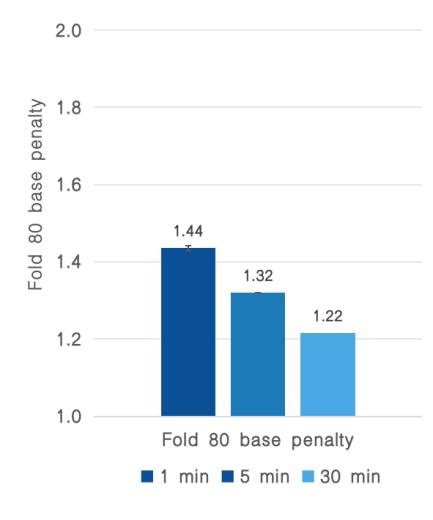
With extensive experience in customizing over 6,000 panels, the SnapHyb® hybridization system accelerates target capture to as little as 1 minute.
SnapHyb® — simpler reagent composition, smoother workflow
Shorter turnaround, stronger data performance and more accurate results for large panels.
2. WES/Large-Panel Prescreening with Free Customization of 150 Loci
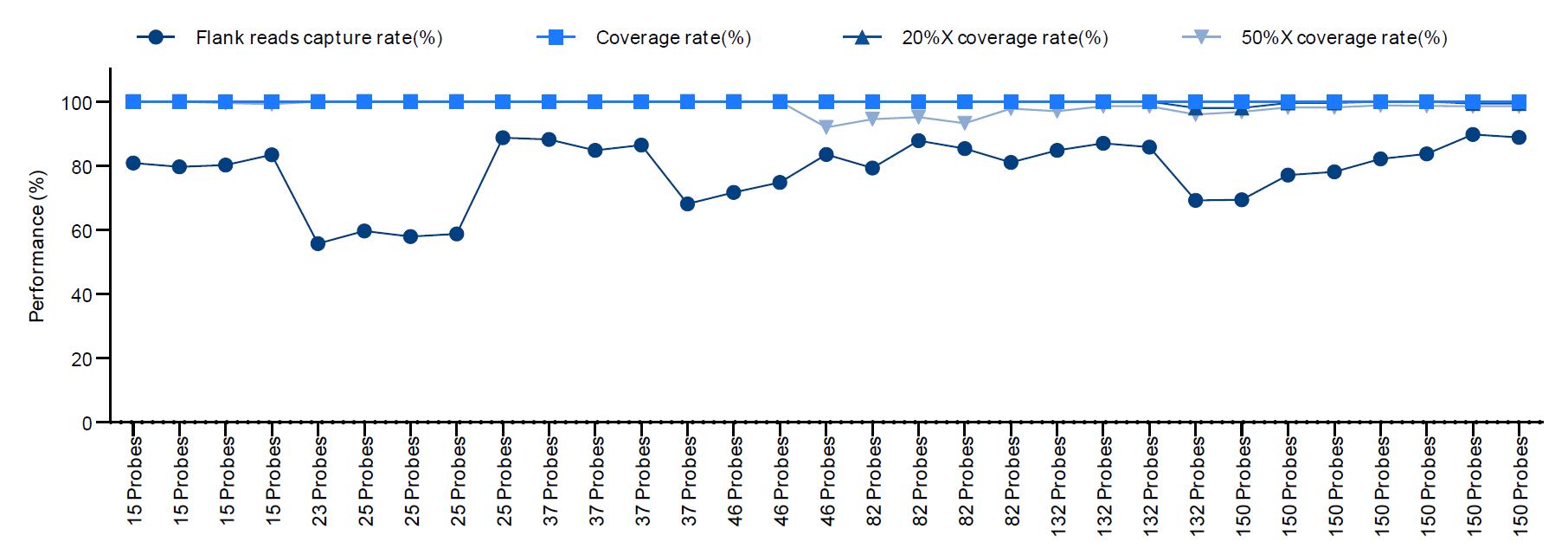
Free customization of individualized panels covering a dozen to several dozen loci—no cost concerns and no turnaround worries. Backed by nearly 5,000 MRD panel customization projects and reliable delivery of tens of thousands of companion reagents, individualized panels are completed in 3–5 working days.
3. WGS Prescreening: Easy customization of panels with thousands-of-loci
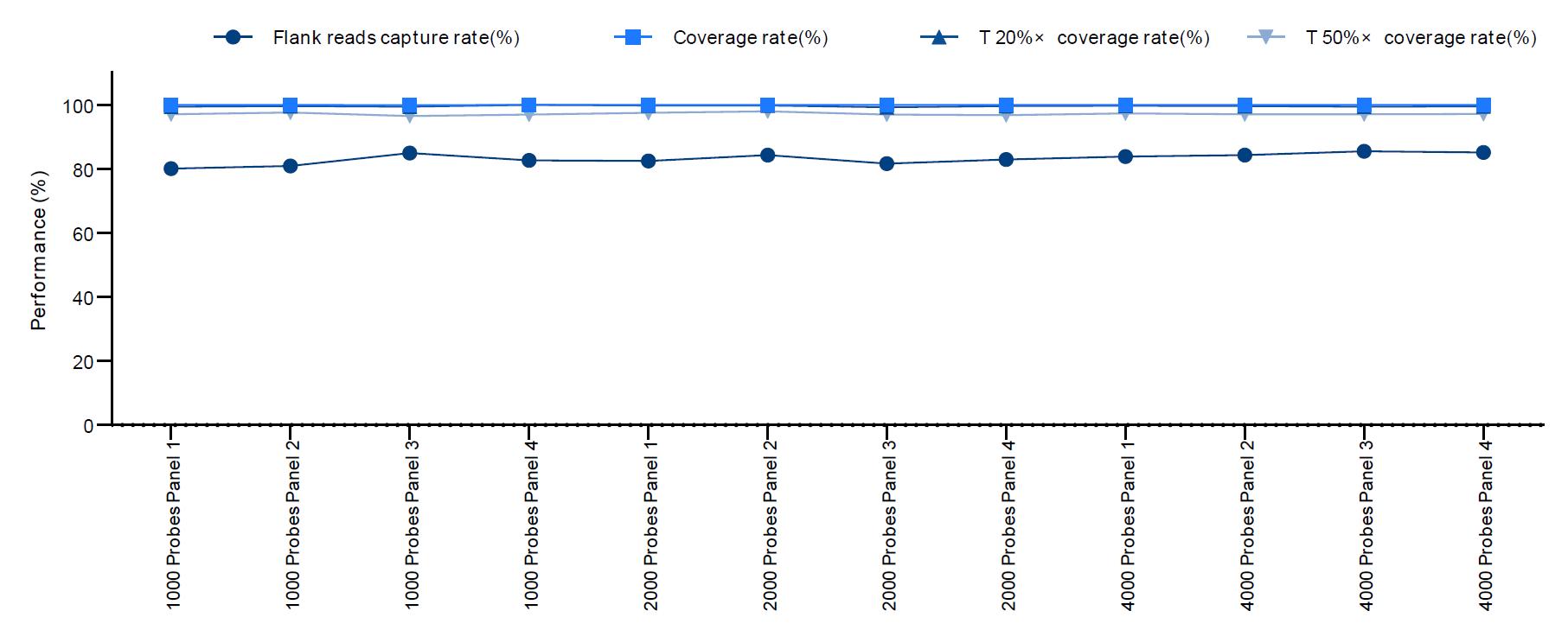
Customized MRD panels covering 2,000–4,000 loci, with excellent and stable capture performance, automated order processing, and a fast 3–5 working-day delivery cycle — efficiently supporting individualized MRD testing at the scale of thousands of loci.
Regardless of the option chosen, iGeneTech maintains independent control over core steps—from probe synthesis and panel design to reagent supply—with an integrated end-to-end workflow and options on demand. This makes 'select the assay that fits the need' a testing pathway that is both practical and affordable.
Step 3: How Does It Guide Clinical Decision-making?
[2026 ESMO GI | Clinical Evidence] Mature OS data from the GALAXY CRLM cohort (published simultaneously in JAMA Oncology): among 298 patients with colorectal liver metastases and no extrahepatic disease, MRD-positive patients in the upfront-surgery group had significantly improved OS with adjuvant chemotherapy (HR 0.27; 48-month OS 65.3% vs 32.9%), whereas MRD-negative patients derived no chemotherapy benefit (48-month OS near 90%). This is the largest body of evidence to date supporting MRD-stratified adjuvant chemotherapy in CRLM[6].
[June 2026 Nature Medicine | Clinical Evidence (Cautionary Finding)] In the phase III CIRCULATE-Japan ALTAIR trial, patients with colorectal cancer who converted to MRD positivity after completion of standard therapy while remaining radiographically negative did not achieve a DFS benefit from earlier intervention with TAS-102 (FTD/TPI), suggesting that MRD positivity alone does not guarantee benefit from preemptive treatment[7].
However, such data remain far from sufficient. More clinical evidence is needed to demonstrate that MRD—often described as the 'crown jewel' among prognostic biomarkers—can truly illuminate the way forward and answer 'what to do after detection'—how to adjust treatment, how intensive follow-up should be, and when to intervene.
Throughout this process, iGeneTech will continue to provide diversified reagent solutions and reliable, accessible reagent supply, making testing more accurate, faster, and more accessible. Patients with tissue available will have access to the most sensitive pathway; those without tissue will not be excluded; and cost and turnaround will no longer be reasons to forgo testing.
Because for every patient, the residual disease that can be detected—however small—is the hope that can be preserved.
References
[1] Natera, Inc. Largest MRD study in lung cancer highlights strong prognostic value for Signatera™[EB/OL]. (2026-09-18)[2026-11-11].
https://www.natera.com/company/news/largest-mrd-study-in-lung-cancer-highlights-strong-prognostic-value-for-signatera/.
[2] Tempus AI, Inc. Third quarter 2026 earnings conference call[EB/OL]. (2026-11-02)[2026-11-11]. https://tempus.gcs-web.com/node/10686/html.
[3] Natera, Inc. Signatera™ receives regulatory approval in Japan for colorectal cancer[EB/OL]. (2026-06-24)[2026-11-11]. https://www.natera.com/company/news/signatera-receives-regulatory-approval-in-japan-for-colorectal-cancer-2/.
[4] KOTANI D, OKI E, NAKAMURA Y, et al. Molecular residual disease and efficacy of adjuvant chemotherapy in patients with colorectal cancer[J]. Nature Medicine, 2023, 29(1): 127-134. DOI:10.1038/s41591-022-02115-4.
[5] BLACK J R M, BARTHA G, ABBOTT C W, et al. Ultrasensitive ctDNA detection for preoperative disease stratification in early-stage lung adenocarcinoma[J]. Nature Medicine, 2025, 31(1): 70-76. DOI:10.1038/s41591-024-03216-y.
[6] KATAOKA K, ITO K, NAKAMURA Y, et al. Circulating tumor DNA status and adjuvant chemotherapy in resected colorectal liver metastases[J]. JAMA Oncology, 2026, 12(9): 950-959. DOI:10.1001/jamaoncol.2026.2191.
[7] BANDO H, WATANABE J, TAKAHASHI Y, et al. Post-adjuvant chemotherapy in ctDNA-positive patients with resected colorectal cancer: a randomized phase 3 trial[J]. Nature Medicine, 2026. DOI:10.1038/s41591-026-04428-0.
 CN