In the previous article, “Fetal Ultrasound Abnormalities but Normal Chromosomal Testing: What Should We Test Next?”, we introduced the value of whole exome sequencing (WES) in the genetic diagnosis of fetal structural abnormalities, and the potential of next-generation whole exome capture technology for detecting SNVs, InDels, CNVs, and other variants.
However, does whole exome sequencing mean that every product covers the same genomic regions and delivers equally reliable results?
In fact, WES products differ in probe design, capture efficiency and sequencing uniformity. These differences affect not only the quality of the sequencing data, but also the subsequent identification and interpretation of genetic variants.
Does Whole Exome Sequencing Really Cover All Exons?
In the human genome, protein-coding regions account for only about 1%–2%, yet they harbor a large number of pathogenic variants associated with inherited diseases[1], and WES enables focused analysis of these disease-related genes through targeted enrichment of protein-coding regions.
But “whole exome” does not mean that every protein-coding region is completely covered.
On the one hand, products differ in the gene annotation databases and transcript selection criteria they use, which may leave some coding regions outside the capture range. On the other hand, complex genomic features such as high GC content, repetitive sequences and highly homologous regions can also affect actual capture and sequencing performance, resulting in locally insufficient coverage.
For genetic disease diagnosis, even a very high overall sequencing depth cannot compensate for the blind spots caused by gaps in target design. Broad and complete CDS coverage is therefore an important foundation for high-quality WES testing.
Improving the completeness of coding-region coverage
Through continuous optimization of probe design, iGeneTech’s AIExome® V5 covers the coding regions defined in different annotation databases, achieving a CDS coverage rate of 99.98% and a coverage rate of 99.99% for both MANE CDS and CCDS CDS, demonstrating excellent completeness of coding-region coverage.
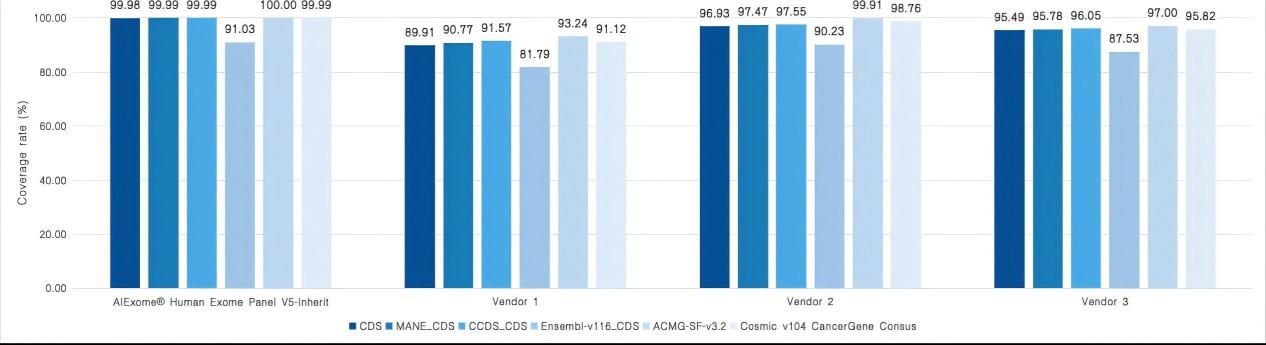
Figure 1: Comparison of database coverage across different WES products
More comprehensive coding-region coverage helps reduce the potential risk of missed detection caused by gaps in target design, providing a more adequate data foundation for identifying variants associated with genetic diseases.
Sequencing Uniformity: Important Not Only for SNV Detection but Also for CNV Analysis
Sequencing depth is an important metric for evaluating WES data quality, but mean depth cannot fully reflect the actual coverage of each target region.
For example, at the same mean sequencing depth of 100×, one dataset may be relatively evenly covered, while another may show extremely high depth in some regions and insufficient depth in others. Even if the overall depth of the latter meets the requirement, insufficient local coverage may still compromise variant detection.
Therefore, in addition to mean depth, coverage uniformity is also a key factor determining WES data quality. Good uniformity means that, with the same amount of sequencing data, more target regions can be adequately covered, providing a stable data foundation for the analysis of SNVs, InDels and other variants.
For copy number variation (CNV) detection, the value of uniformity deserves even more attention.
Depth-based CNV analysis usually identifies potential copy number gains or losses by comparing normalized sequencing depths across genomic regions.
However, sequencing depth is not affected by copy number alone; factors such as GC content, probe capture bias and local sequence features can also cause depth fluctuations. When background fluctuation is large, true copy number changes may be masked, and false-positive signals may even appear.
This is particularly relevant for single-exon and small intragenic CNVs, which involve fewer regions and therefore place higher demands on the stability of local depth data.
Good sequencing uniformity therefore helps reduce the depth noise caused by capture bias, improves the distinguishability between true CNV signals and background fluctuation, and provides important support for the reliable identification of small CNVs.
From uniform coverage to refined CNV analysis
By optimizing probe layout and the capture system, AIExome® V5 achieves more uniform target-region coverage, with a Fold 80 of 1.24, demonstrating excellent coverage uniformity.
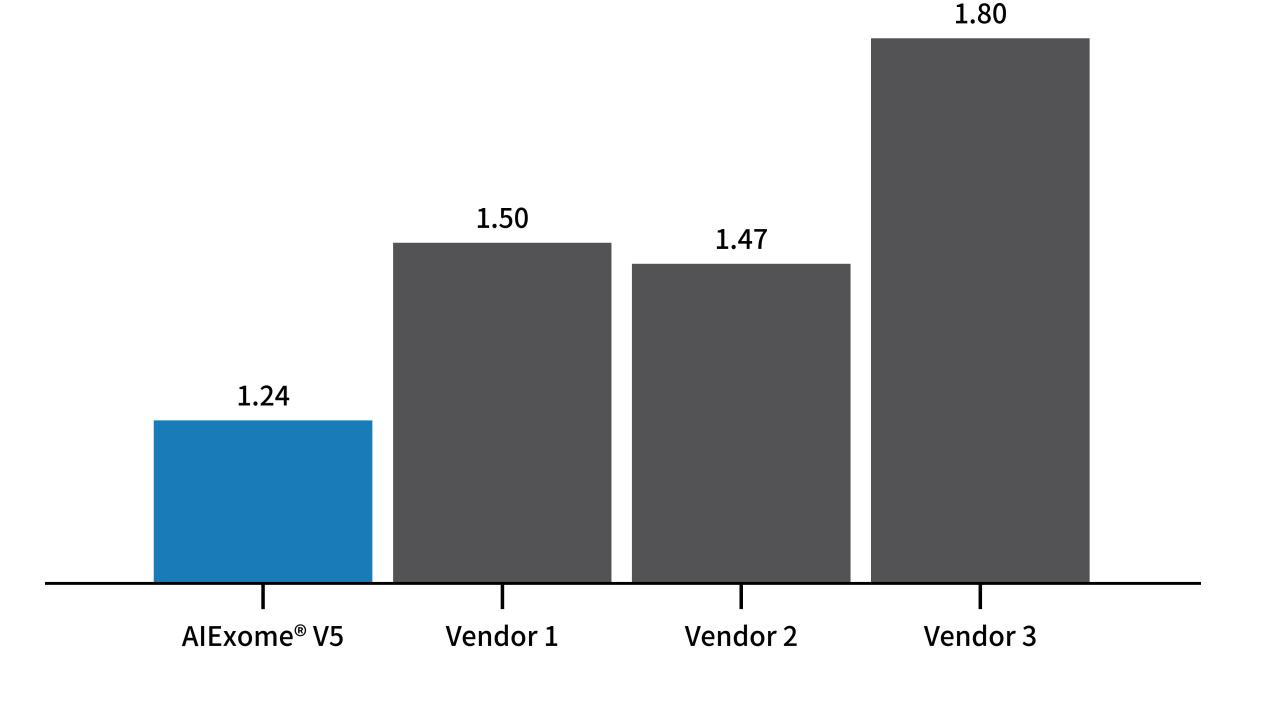
Figure 2: Comparison of Fold 80 uniformity across different WES products
In the previous article, we also described the refined probe design of AIExome® V5 Inherit for key inherited-disease genes, as well as typical CNV detection cases such as single-exon (Exon 74) deletion and multi-exon (Exon 48–50) deletion in the DMD gene.
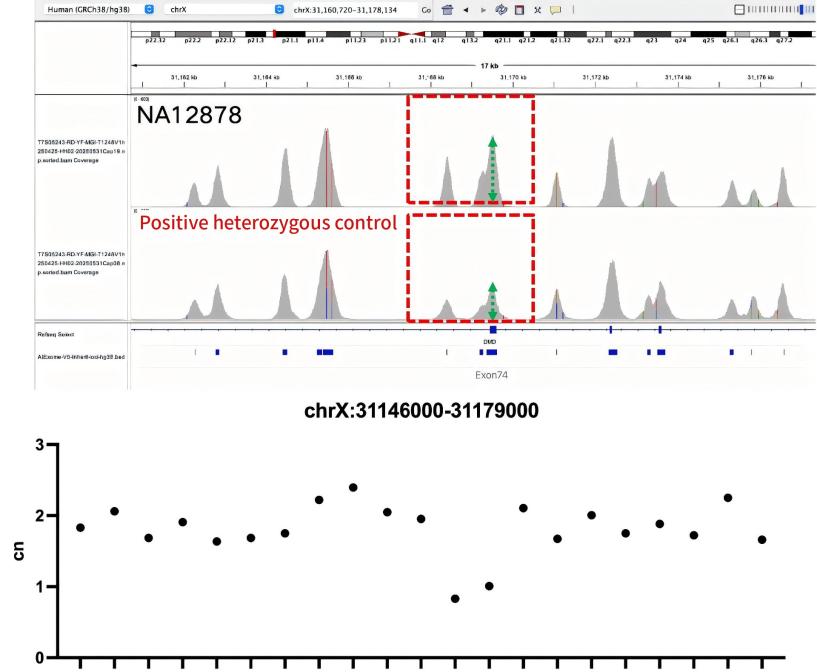
Figure 3: Example of single-exon deletion detection in the DMD gene.
Upper panel: IGV comparison of Bam files from measured data; the positive control and the NA12878 negative control use the same Track Height and Data Range, and the dotted line with green double arrows shows that the target exon depth in the heterozygous deletion positive sample is half that of the negative control. Lower panel: copy number analysis, in which the target exon has a copy number of 1 and the other exons have a copy number of 2.
These cases demonstrate the potential of refined target design for intragenic CNV detection. Combined with stable sequencing depth information, this helps provide a higher-quality data foundation for the analysis of SNVs, InDels, CNVs and other types of variants.
Mutation Detection Accuracy: From Outstanding Sequencing Metrics to Reliable Variant Identification
Comprehensive target-region coverage, uniform sequencing depth and efficient target capture must ultimately serve the accurate identification of genetic variants. Therefore, in addition to sequencing quality metrics, the actual variant detection performance of WES products also deserves attention.
In genetic disease testing, single-nucleotide variants (SNVs) and small insertions and deletions (InDels) are important variant types. Accurate identification of these variants requires not only adequate sequencing coverage of the target regions, but also high-quality sequencing data and a reliable bioinformatics analysis pipeline.
To evaluate the mutation detection performance of AIExome® V5 Inherit, variant concordance analysis was performed using the international standard reference sample NA12878 and compared with the reference truth set; Precision, Recall and F1-score were used to systematically assess the variant detection capability of the product. Precision reflects the accuracy of the variants detected, Recall reflects the ability to detect true variants, and F1-score measures the combined performance of both.
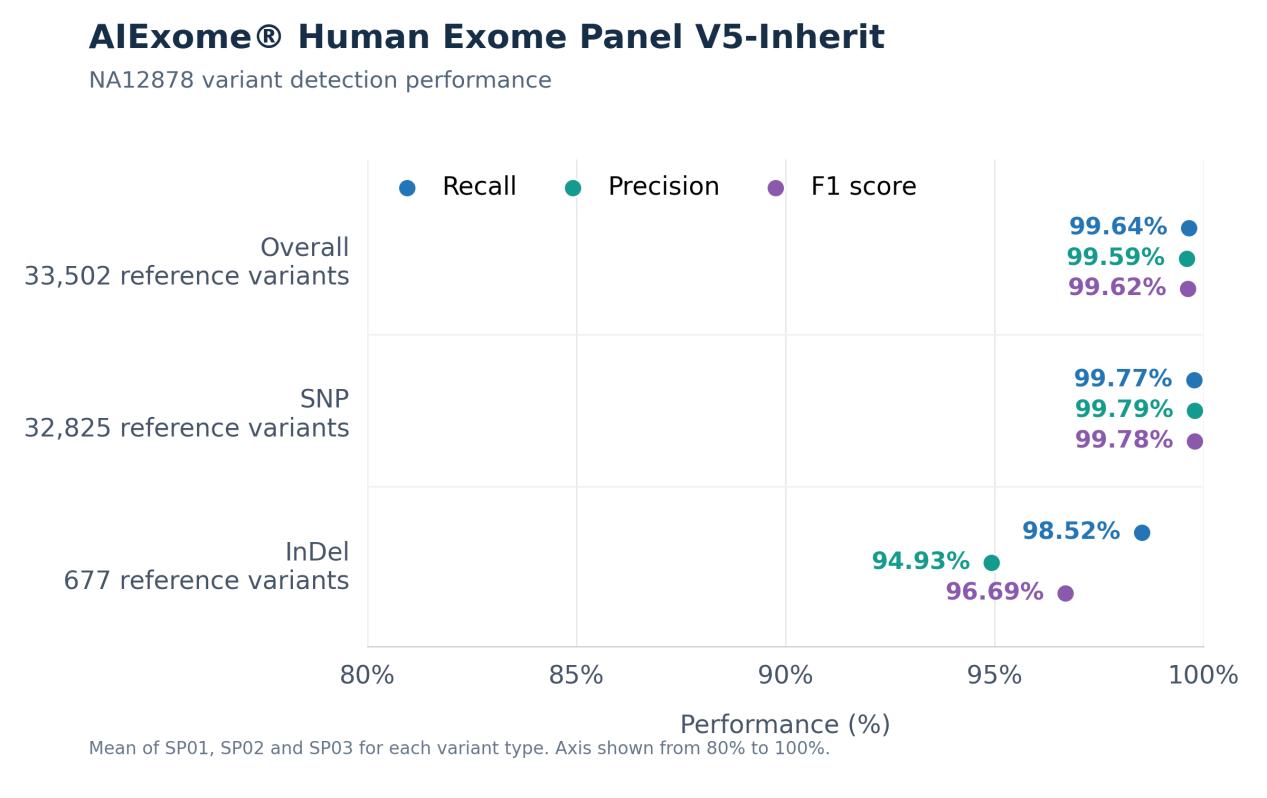
Figure 4: SNV and InDel concordance analysis of AIExome® V5 Inherit based on the NA12878 standard sample
Mutation concordance evaluation with a standard sample further verifies the performance of whole exome capture products in real-world variant detection, providing data support for identifying variants associated with genetic diseases.
Conclusion: From Comprehensive Coverage to Precise Detection, Bringing Technology Closer to Clinical Practice
From etiological analysis of fetal structural abnormalities to the identification of complex genetic variants, WES is opening up more diagnostic possibilities for some difficult prenatal cases.
Building on years of accumulated experience in gene capture technology, iGeneTech continues to optimize its whole exome sequencing product line, from target design to hybridization capture performance, providing high-quality data support for genetic disease research and clinical genetic testing.
From “covering more” to “covering better”, so that every sequencing dataset delivers greater value and provides more reliable technical support for prenatal genetic diagnosis.
References
[1] Tennessen JA, Bigham AW, O’Connor TD, et al. Evolution and functional impact of rare coding variation from deep sequencing of human exomes. Science. 2012;337(6090):64–69
This article is intended for the exchange of professional medical knowledge. Specific testing strategies should be determined in light of clinical requirements and laboratory validation results.
 CN