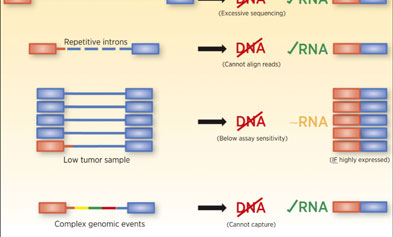
In the field of plant research, low cost, high throughput, and high data quality are key to sequencing. Liquid-phase hybridization capture sequencing technology, relying on predefined probes, captures and sequences only the regions of interest. This can simplify the genome sequence of the target species, detect variations such as SNV, InDel, CNV, SV, and Fusion in the target regions, and can also be applied to the detection of viruses and viral integration sites. In terms of product design, it can be divided into plant whole exome products, high-density breeding chips, gene sequence capture, etc., to meet different application scenarios.
In April 2025, iGeneTech officially launched the "Capturing Everything" initiative, supporting multi-dimensional product cooperation methods such as plant whole exome, whole exome + chip custom development, and high-throughput chip customization.
Plant Whole Exome Sequencing: Focusing on Plant Gene Sequencing
Exons, as DNA regions directly involved in protein coding, carry the key genetic information of organisms. In plant research, Whole Exome Sequencing (WES) enables precise sequencing of key coding genes by targeted enrichment of exon regions in plant genomes. Taking wheat as an example, in March 2025, researchers from Henan Agricultural University published an article in Nature Communications, which identified TaCAT2, an enzyme related to wheat stem base rot, through GWAS and WES. They found that TaCAT2 interacts with TaSnRK1α, is phosphorylated, and finally proposed a model of TaSnRK1α-TaCAT2 mediated resistance [1].
Relying on its independently developed TargetSeq® hybridization capture sequencing technology and IGT® Oligo Pools synthesis platform, iGeneTech officially launched the innovative "Capture All" initiative. The initiative plans to extend capture sequencing technology to broader life science fields, making it a fundamental tool for multi-omics research and deciphering species evolution. We will successively launch products such as 100 types of whole exomes, thousands of microbial whole genome capture products, multi-species methylomes, immune repertoires, ancient DNA chips, and full-length mitochondrial capture probes for all known species.
Today, let's focus on plant whole exome products, so that whole exome sequencing solutions for plants such as wheat, barley, maize, cotton, chili, and tobacco can better facilitate research in plant functional genomics and genetics.
Plant Whole Exome Products:
Perfect Integration of Technology and Application
Although whole-genome sequencing data is comprehensive, it generates a huge amount of data—especially for large genomes, which require even higher data volumes. For example, the wheat genome is approximately 14.6 Gb, and its whole-genome data volume typically needs to exceed 100 Gb, making analysis highly difficult and costly.
In contrast, whole exome sequencing can precisely focus on exon regions, enabling more efficient screening of genes related to important plant traits. This saves researchers a great deal of time and energy, and fully drives the efficient output of scientific research results.
01 Wheat Whole Exome Product
Designed based on the 132.6 Mb CDS regions of the IWGSC RefSeq V2.1 reference genome, it contains over 2.55 million unique probes. It enables efficient and uniform capture of the CDS regions of over 100,000 wheat genes. A 5 Gb data volume can achieve an effective depth of over 20×, making it suitable for scenarios such as wheat stress-resistant gene screening and variety evolution analysis.
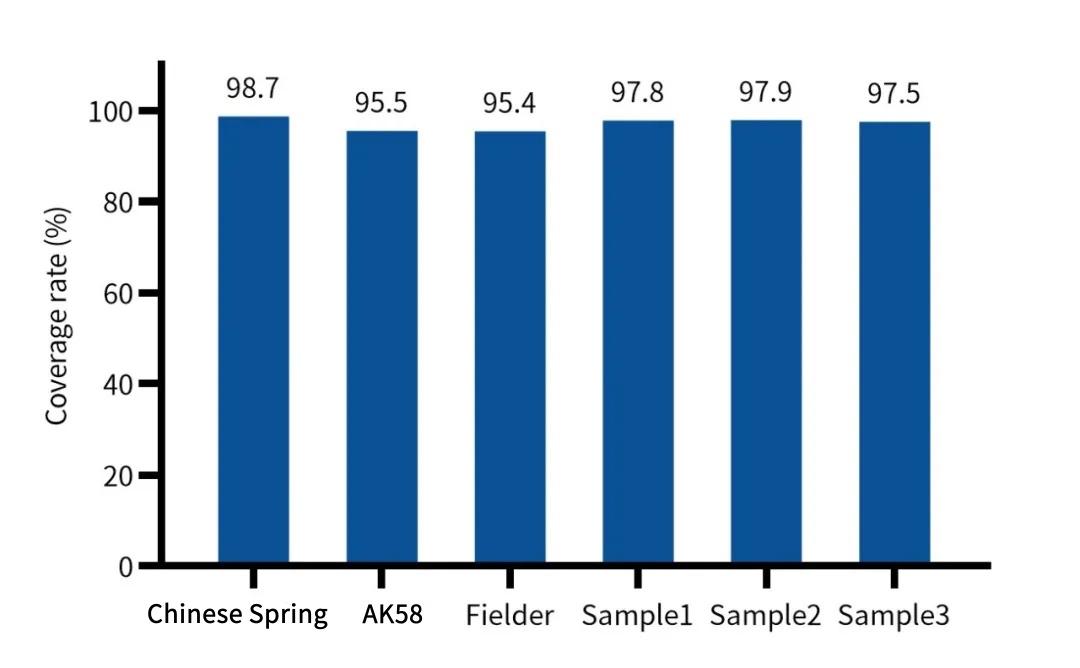
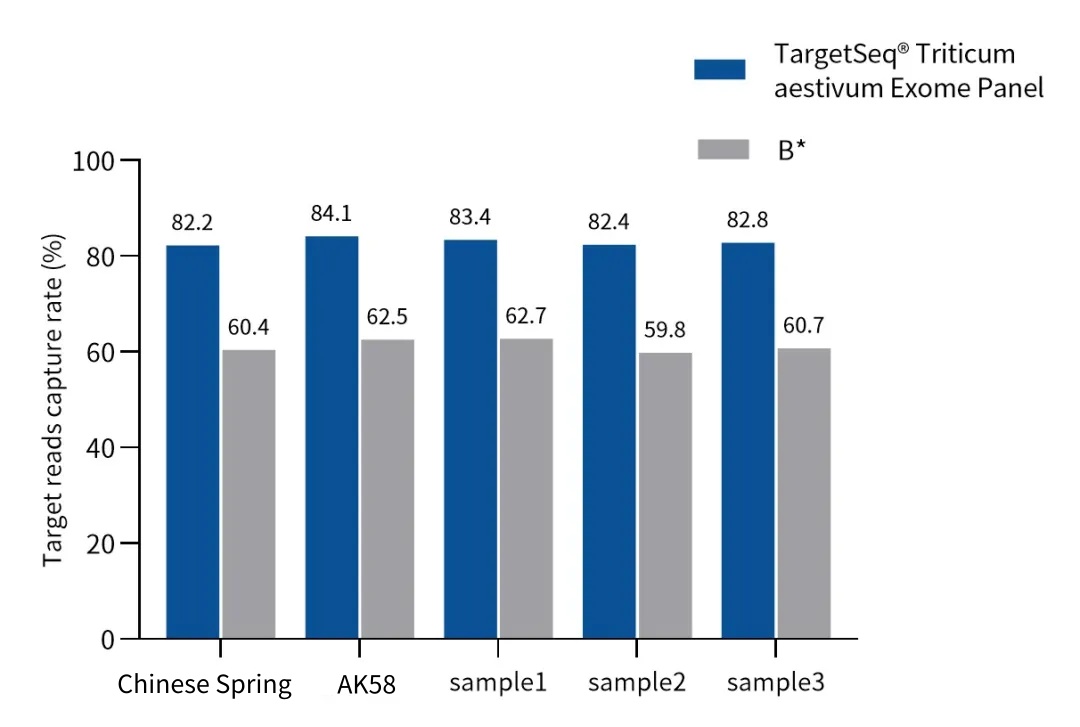
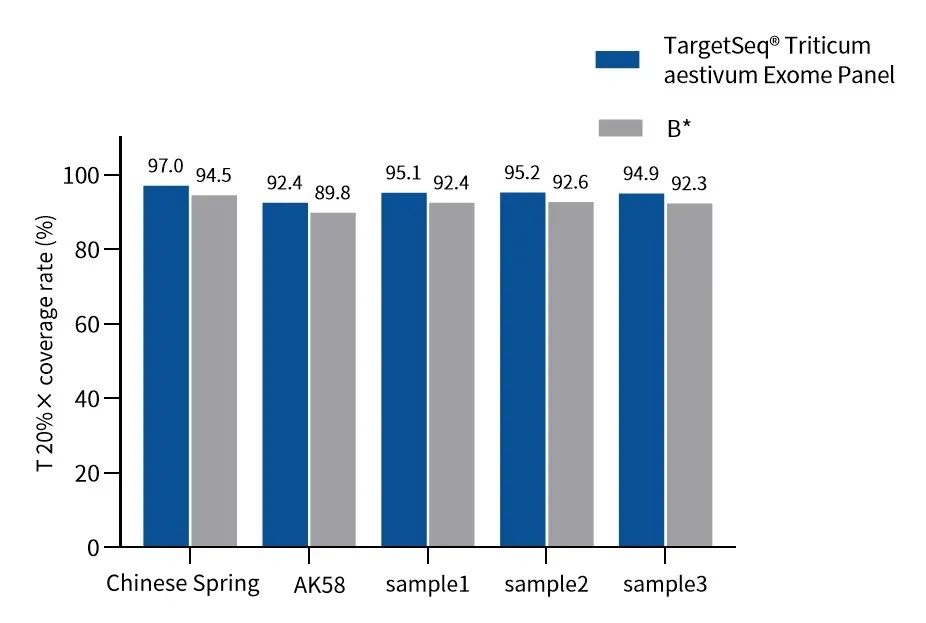
Figure 1. Capture performance of Wheat Whole Exome Panel in different wheat varieties. A: Measured coverage of CDS regions, B: Capture efficiency, C: Uniformity.
02 Barley Whole Exome Product
Designed based on the latest barley reference genome MorexV3, it covers a 37.1 Mb CDS region with over 460,000 unique probes. It can capture over 95% of the CDS regions of barley genes, featuring both high efficiency and uniformity. A 2 Gb data volume can achieve an effective depth of over 20×, providing accurate data for scenarios such as gene mapping of barley yield traits and mutant library construction.
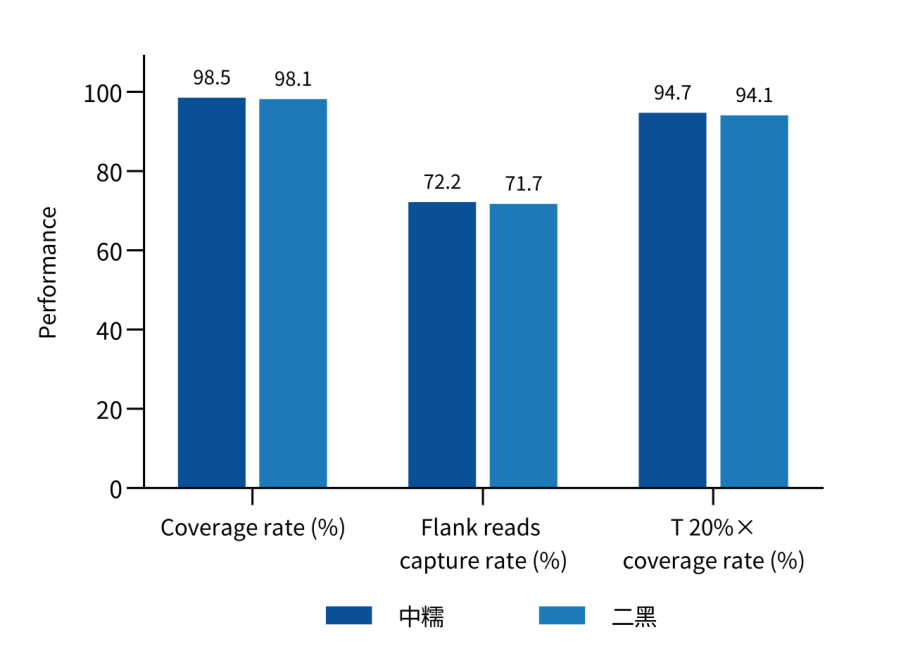
Figure 2. Capture performance of Barley Whole Exome Panel in different barley varieties.
03 Maize Whole Exome Product
Designed based on the latest maize reference genome B73 V5, it covers a 43.2 Mb CDS region with over 1.3 million unique probes. It enables efficient capture of over 96% of the CDS regions of maize genes. A 2 Gb data volume can achieve an effective depth of approximately 20×, facilitating cutting-edge research such as maize disease-resistant gene cloning and analysis of heterosis mechanisms.
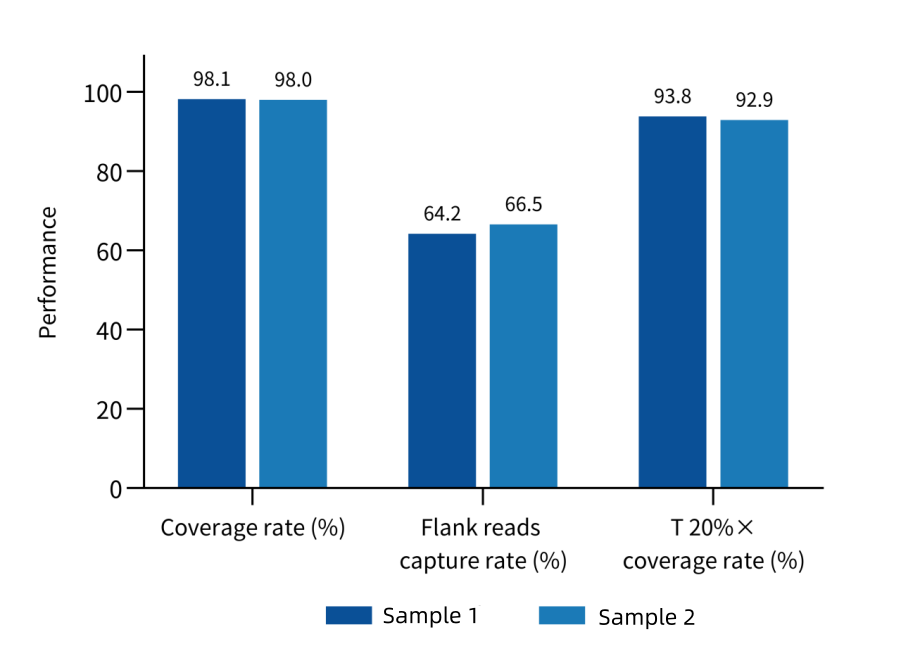
Figure 3. Capture performance of Maize Whole Exome Panel.
Working Together: Embarking on a New Journey of "Capture All" in Plant Research
Guided by the innovative concept of "Capture All", iGeneTech can quickly provide high-quality predefined and customized whole exome products for various species. It can add other regions or enhance capture for exon regions of other varieties according to customer needs. Meanwhile, iGeneTech supports plant exome research in the form of cooperative development and provides start-up funds for scientific research. We look forward to in-depth cooperation with more partners to jointly promote the standardization and automation of plant whole exome technology, and contribute to the innovative development of the plant research field.
More Product Information
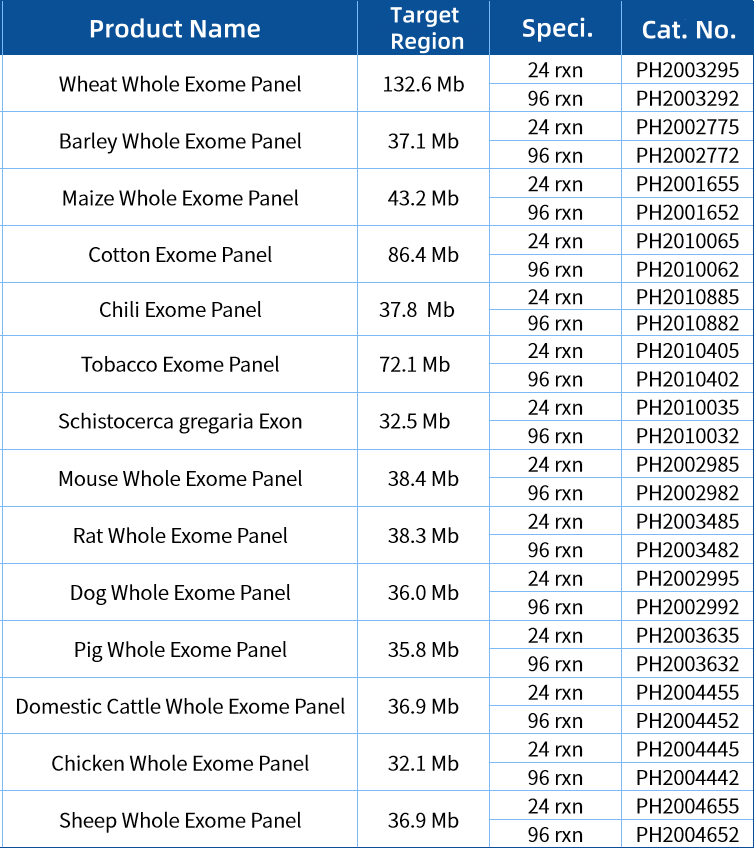
Up to now, iGeneTech has launched more than ten animal and plant whole exome products, with more whole exome products under development. All products support customization and semi-customization.
 CN
CN