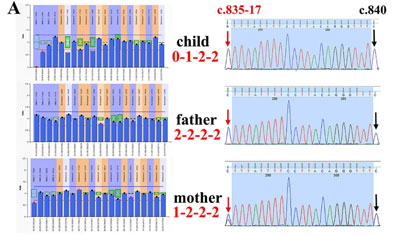
Hematologic malignancies are among the most common forms of cancer and pose a major threat to human health. According to data from the China National Cancer Center in 2015, hematologic cancers rank among the top ten malignancies in both incidence and mortality. Gene fusion events caused by chromosomal rearrangements are widely present in various tumors and are a common oncogenic driver, making fusion genes potential prognostic markers and therapeutic targets in cancer treatment.
Traditional fusion gene diagnostic methods primarily include fluorescence in situ hybridization (FISH) and quantitative real-time PCR (qPCR). Although these methods are highly sensitive, they are limited in detecting rare breakpoints, cryptic translocations, and rare or novel fusion genes. These limitations can result in undetected fusions, leading to ineffective treatment.
Targeted RNA sequencing focuses on specific genomic regions and offers significant advantages in detecting low-abundance transcripts and fusion genes. It provides an effective solution for transcript quantification and fusion gene detection.
Product Information
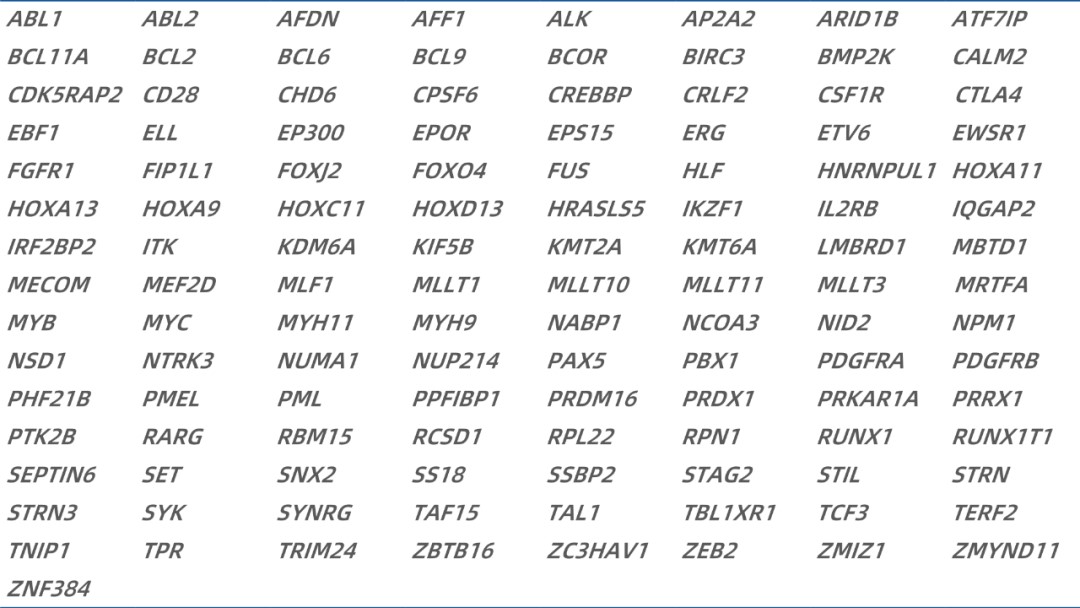
iGeneTech has launched the AIdesign® Hema Tumor Fusion RNA Panel, a gene detection panel designed for RNA-level fusion analysis. It targets 141 genes commonly found or clinically significant in hematologic malignancies. These include genes associated with chronic leukemia (e.g., BCR, ABL1, EMLA, ALK) and lymphoma (e.g., PRDM1), offering insights into drug resistance and prognosis through fusion gene detection.
Probe Design Strategy
Leveraging years of experience in RNA probe design, iGeneTech employs a 3X tiling strategy across all transcript sequences of target genes. Due to high similarity among multiple transcripts of the same gene, algorithmic optimization is applied to eliminate redundant probes covering identical regions while ensuring 3X tiling for each transcript. This improves probe utilization and coverage efficiency.
Additionally, since fusion breakpoints may occur within introns, extra probes are added to exon-exon junction regions to ensure reliable hybrid capture of these crucial areas.
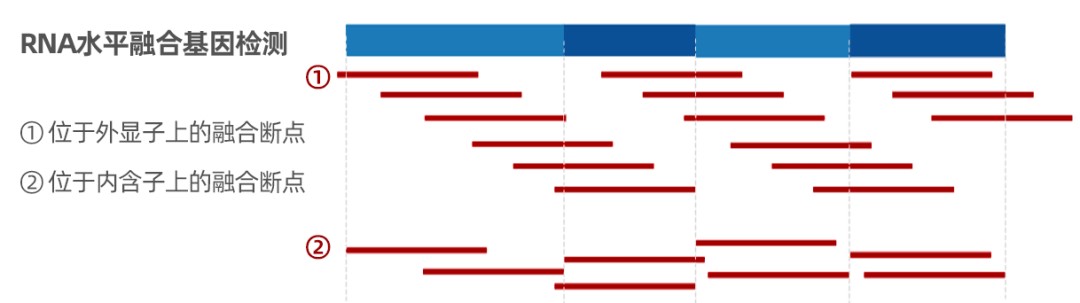
Figure 1: Probe design strategy of RNA fusion gene detection
Data Performance
The AIdesign® Hema Tumor Fusion RNA Panel demonstrated stable and excellent performance in two replicate tests using fusion RNA reference standards: BCR-ABL (Coben, CBP20031R) and ETV6-RUNX1 (Coben, CBP20091R). Key metrics such as alignment rate, capture efficiency, and coverage depth showed high consistency across replicates.
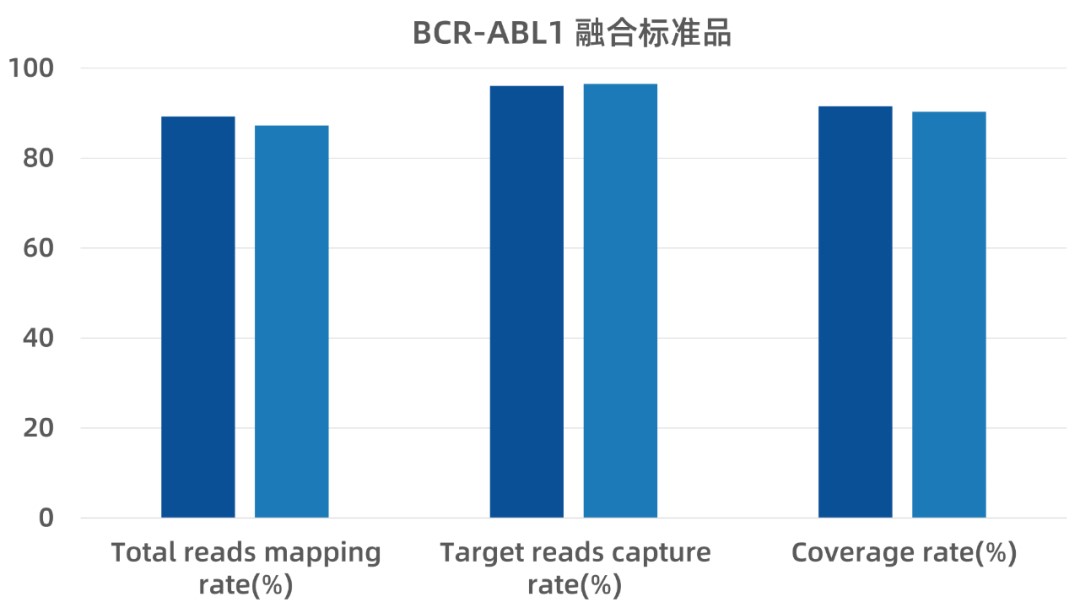
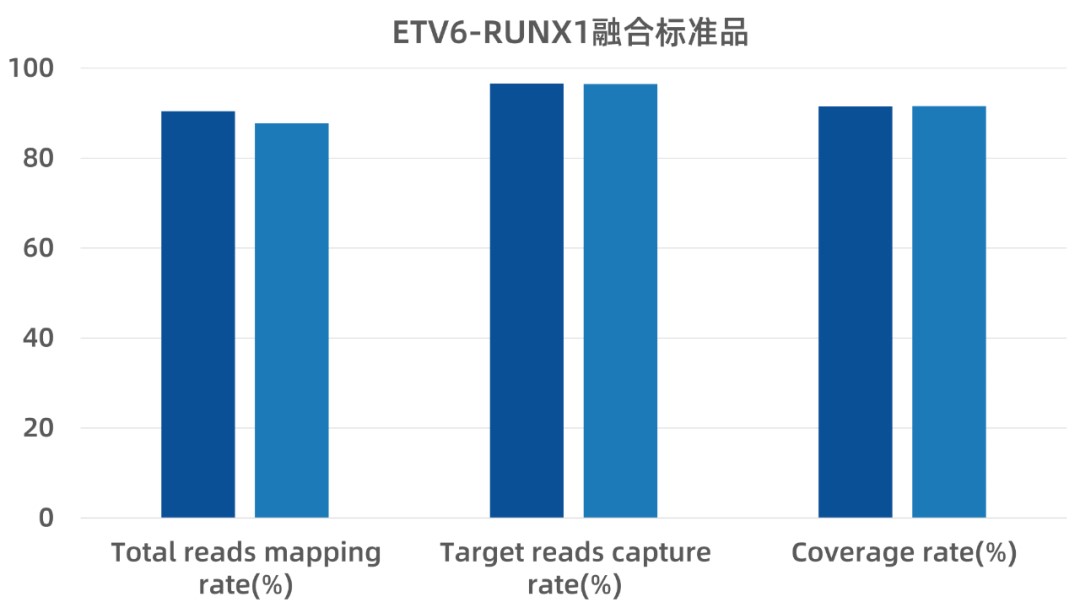
Figure 2: Reproducibility performance of the panel on fusion gene reference standards
Fusion Event Analysis
Using the AIdesign® Hema Tumor Fusion RNA Panel, targeted RNA sequencing was performed on BCR-ABL and ETV6-RUNX1 reference standards. Post-sequencing data was analyzed with STAR-Fusion to quantify fusion events via normalized spanning reads and junction reads.
Average unique reads for BCR-ABL1 fusion reached ~893, and ~250 for ETV6-RUNX1 fusion.
Taking the BCR-ABL fusion event as an example, visualization using IGV revealed soft-clipped reads at the fusion breakpoint. On the BCR side, reads perfectly aligned on the left portion and were consistently soft-clipped on the right, aligning with corresponding regions on ABL1. Cross-verification confirmed that the BCR-ABL fusion was accurately detected.
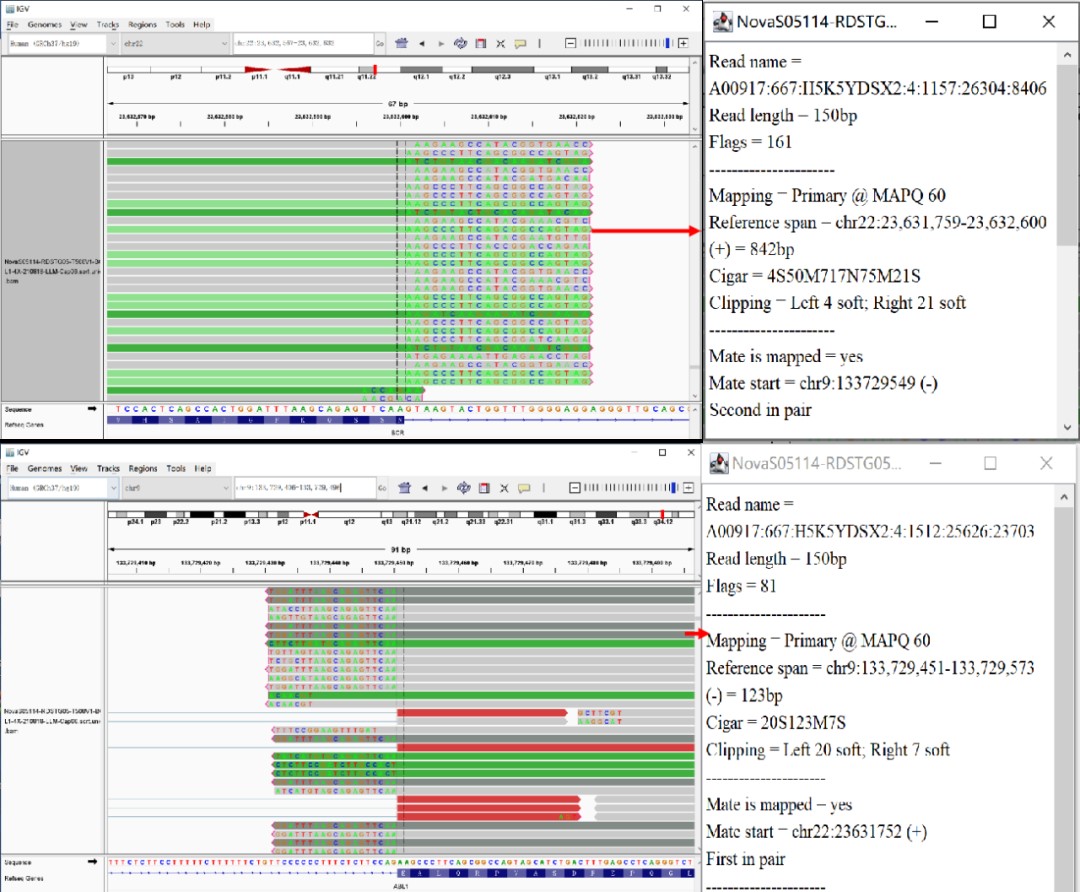
Figure 3: Alignment of the BCR-ABL fusion region on the genome using the AIdesign® Hema Tumor Fusion RNA Panel
Gene Expression Comparison: Targeted RNA-Seq vs RNA-Seq
To compare expression quantification between targeted RNA sequencing and whole-transcriptome RNA-Seq, two fusion RNA reference standards were diluted 4-fold (100 ng RNA input), then processed using the AIdesign® Hema Tumor Fusion RNA Panel (~3G raw data, NovaSeq 6000 PE150). For comparison, traditional RNA-Seq (~100G raw data) was also performed.
Gene expression values (read counts, FPKM) were calculated and normalized. After filtering out genes with zero expression, results showed high concordance: both samples achieved an Intraclass Correlation Coefficient (ICC) of 0.993, indicating excellent agreement and no significant bias in enrichment from targeted RNA sequencing.
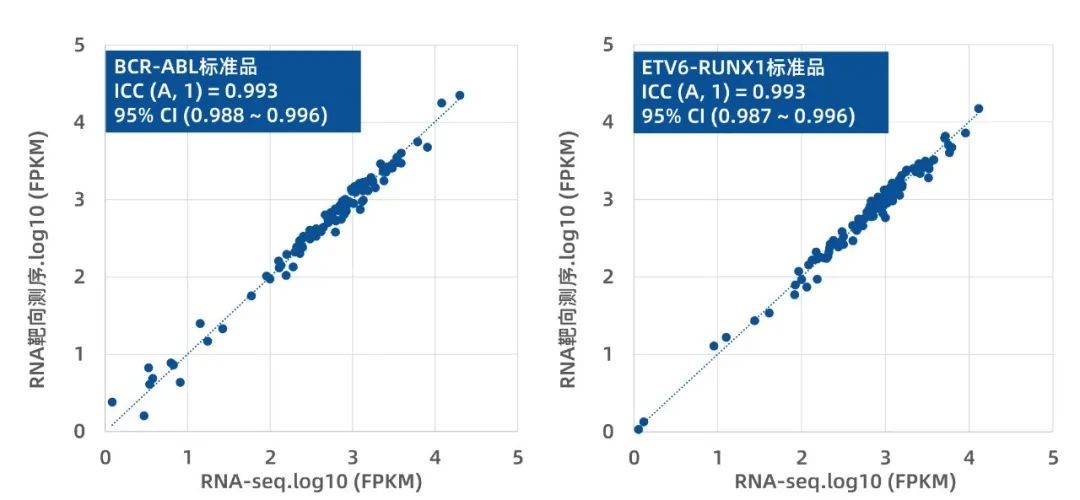
Figure 4: Relative gene expression abundance of two fusion gene RNA standards by RNA-targeted sequencing
Note: ICC (Intraclass Correlation Coefficient) is used to assess reproducibility or agreement between different measurement methods. In contrast, Pearson's R² measures only the linear relationship between interval variables.
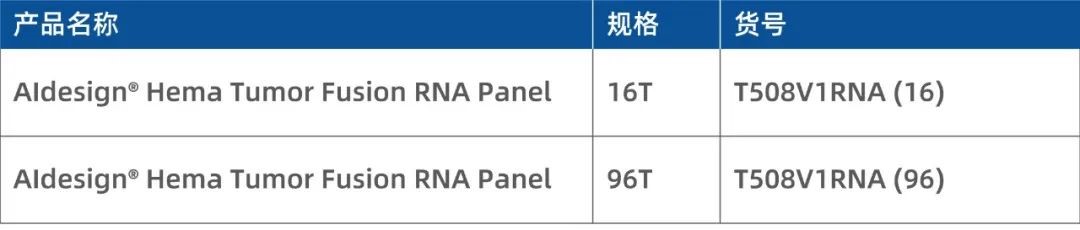
Ordering Information
About iGeneTech®
iGeneTech is a high-tech enterprise in China specializing in target gene "reading" and "writing" technologies. The company owns proprietary platforms for NGS hybridization-based probe capture, multiplex PCR, and high-throughput DNA synthesis. Certified under ISO 13485 and ISO 9001 quality systems, iGeneTech operates a 2,500 m² GMP-certified production and testing facility.
iGeneTech offers custom gene capture product development, NGS IVD CDMO services, targeted sequencing lab solutions, rapid sequencing services, and large-scale DNA synthesis for industries including healthcare, agriculture, microbiology, and academic research.
With over a hundred ready-to-use capture products and more than 1,500 high-standard custom panels delivered to nearly 1,000 clients across China, iGeneTech is a trusted partner to clinical labs, precision medicine centers, synthetic biology firms, and drug developers—fueling innovation across the global genomics landscape.
 CN
CN