Fusion genes often serve as molecular markers for tumorigenesis and play a critical role in clinical diagnosis, therapeutic decisions, and prognosis. They are frequently associated with the development and progression of various cancers and may also act as potential drug targets. In tumor fusion gene detection, breakpoints usually occur in large intronic regions, making DNA-level detection challenging due to several factors:
Probes must cover long intronic regions with numerous repetitive sequences;
High GC content impairs probe hybridization efficiency;
Introns from different genes may contain similar repeat sequences, making alignment difficult and compromising accuracy;
Complex transcriptional or post-transcriptional splicing processes may affect the final fusion event.
In contrast, fusion genes at the RNA level are typically represented by the junction between exons of two genes, with relatively fixed breakpoints—greatly facilitating accurate probe design. Thus, RNA-based detection is often more feasible and reliable for identifying fusion genes compared to DNA-based methods.
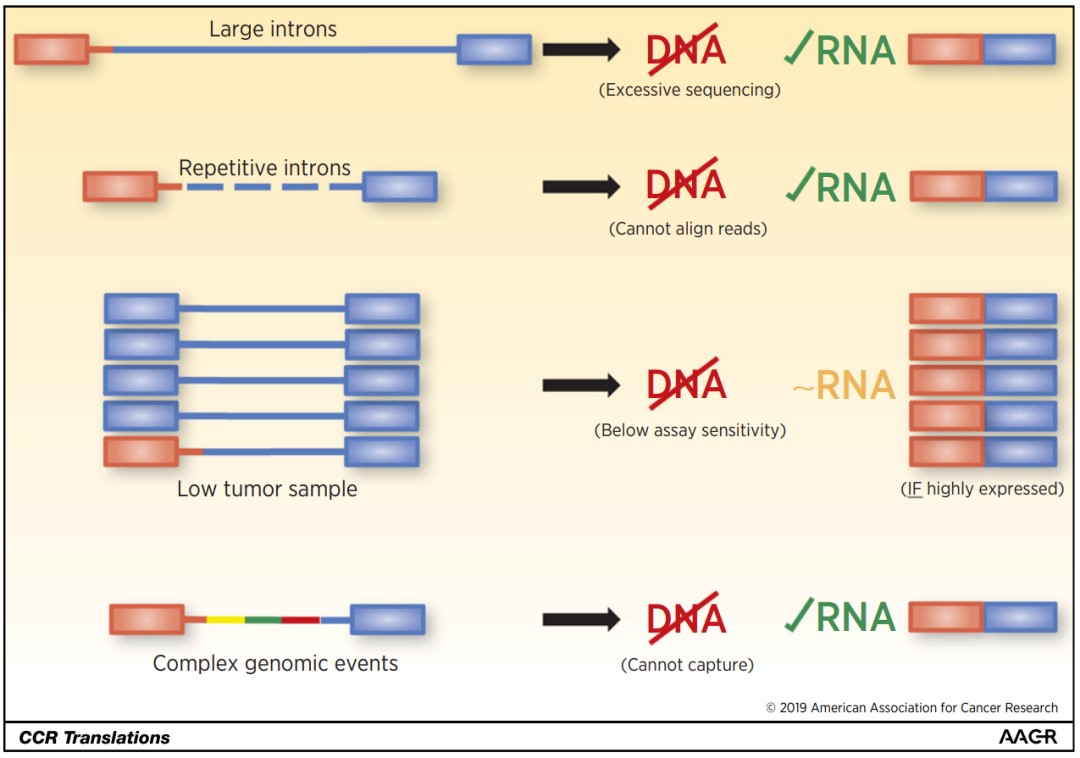
Figure 1. Schematic of Gene Fusion
RNA-Seq vs. RNA Targeted Sequencing
RNA-Seq is a transcriptome profiling technique based on high-throughput deep sequencing. It is widely used to analyze gene expression, non-coding regions, transcript structures, and mutations. However, due to the complexity and size of the transcriptome, even high-depth sequencing may miss low-abundance or rare transcripts, resulting in low sensitivity and high cost.
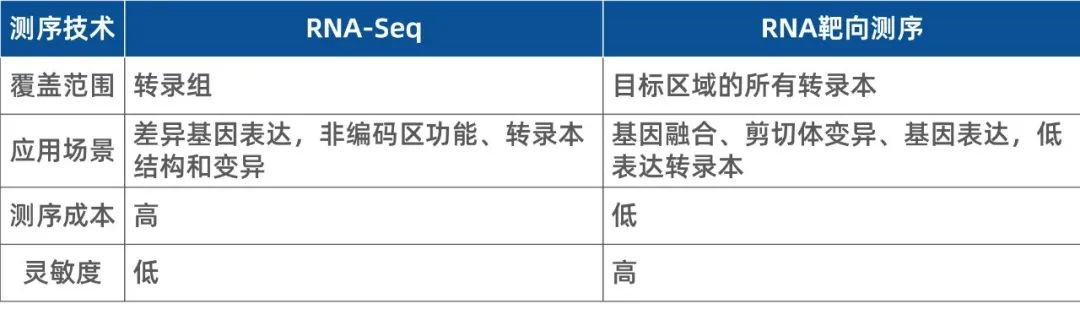
Table 1. Comparison between RNA-Seq and RNA Targeted Sequencing
Targeted RNA sequencing addresses the challenges of sensitivity and cost by focusing on transcripts of interest. This technique enhances sequencing depth through targeted capture of specific genes, making it more sensitive to detect rare or low-expressed transcripts. As a result, RNA targeted sequencing has been successfully applied to enrich transcripts from mammals, plants, fungi, bacteria, and viruses.
iGeneTech's RNA Targeted Sequencing Workflow
Leveraging extensive expertise in probe design and synthesis, iGeneTech has developed a comprehensive RNA targeted sequencing solution to meet market demands. The system uses the Fast Stranded RNA Library Prep Kit for library preparation, integrated with the TargetSeq One® hybrid capture sequencing platform. Two RNA capture panels (~56 kb and ~851 kb) were used for RNA enrichment to evaluate the solution's performance.
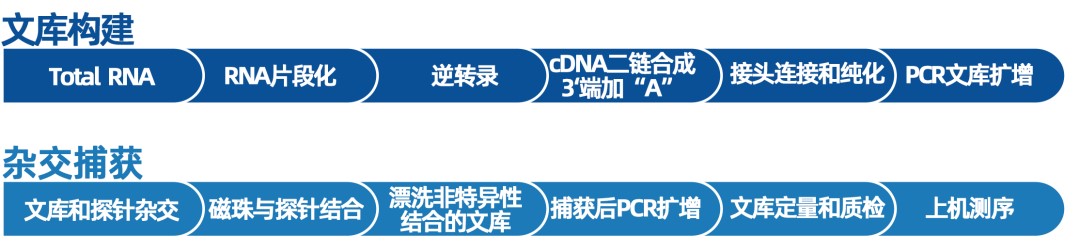
Figure 2. RNA Targeted Sequencing Workflow
Panel Performance Assessment Using gDNA and RNA Libraries
To eliminate the impact of differential gene expression on probe performance, genomic DNA (gDNA) was used alongside total RNA from healthy individuals to build libraries. Both 56 kb and 851 kb panels were used for hybrid capture, and sequencing was performed on the NovaSeq 6000 PE150 platform. BWA and HISAT2 were used for alignment, with data analysis via SAMtools. Results showed that both panels demonstrated excellent coverage, capture efficiency, and uniformity with gDNA libraries, confirming high-quality probe design and synthesis.
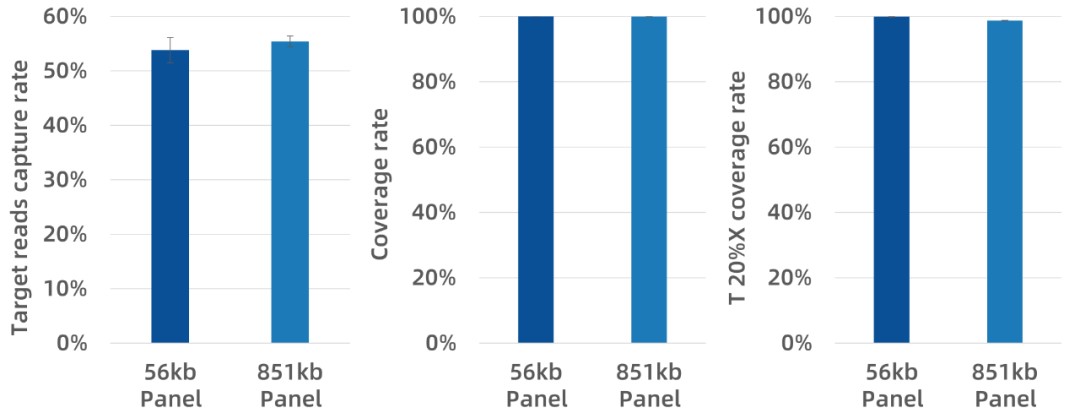
Figure 3. Capture Performance of RNA Targeted Panels on gDNA Libraries
Capture Performance on RNA Libraries
RNA capture probes were designed based on all known transcripts. Both panels achieved >90% for key performance metrics like alignment rate and capture efficiency, ensuring high data utility. At an average sequencing depth of 2000X, the large 851 kb panel required only 3G raw bases, while the 56 kb panel needed just 0.2G. Due to higher gene density, high-expression genes in the large panel may dominate read allocation, slightly lowering coverage for low-expression genes. Thus, the smaller panel showed >99% coverage, while the large panel maintained >90% (Figure 4). Given expression variability, uniformity is not used as a benchmark in RNA library performance assessments.
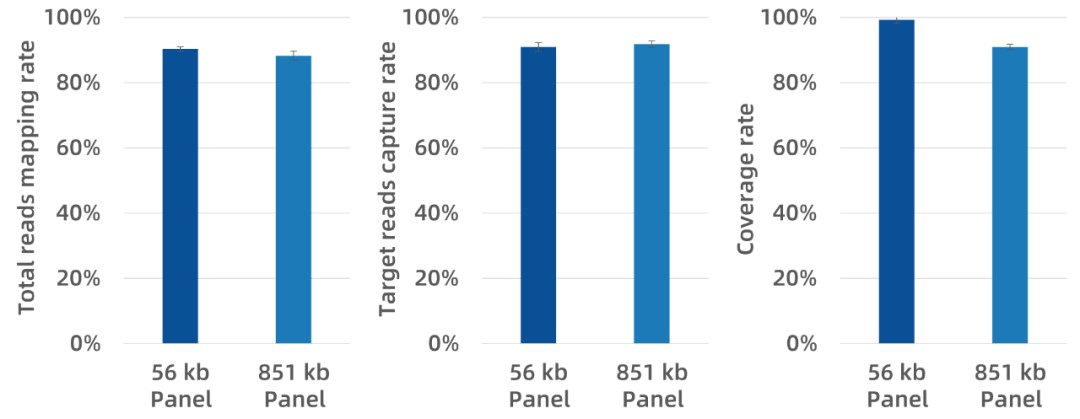
Figure 4. Capture Performance of RNA Targeted Panels on RNA Libraries
Fusion Gene Detection with RNA Targeted Sequencing
To evaluate fusion gene detection, standard RNA samples for BCR(E14)-ABL(E2)_P210 Fusion and ETV6-RUNX1 Fusion (both from Cobioer) were used at 100 ng input. Libraries were prepared and hybrid-captured with both panels, sequenced on NovaSeq 6000 PE150, and analyzed using HISAT2 and SAMtools. The smaller panel achieved 99.9% coverage and an average read capture efficiency of 94.9%; the larger panel had over 91.5% coverage and 96.4% efficiency. Both panels delivered excellent performance (Figure 5).
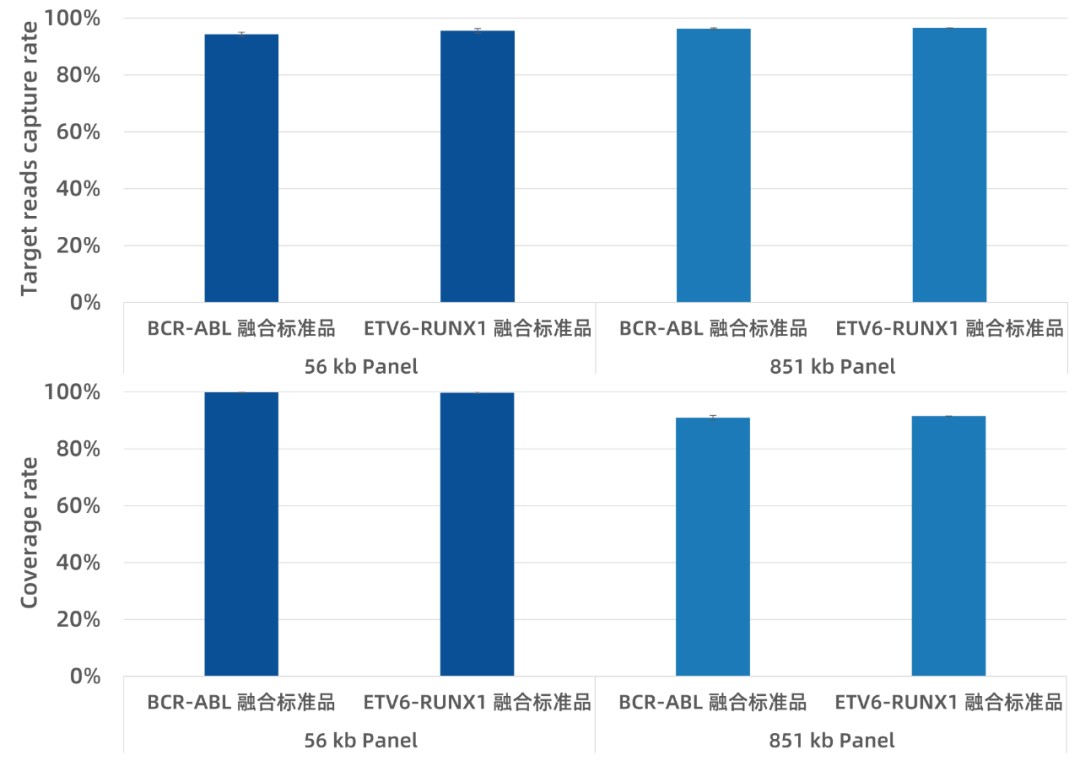
Figure 5. Capture Performance for Two Fusion Gene Standards with Different Panel Sizes
Higher Sensitivity in Fusion Gene Detection
To simulate tumor RNA detection, the fusion gene standards were serially diluted (1 to 512-fold), and RNA libraries were constructed using 100 ng input. The 851 kb panel was used for hybrid capture and sequencing. STAR-Fusion was used to analyze spanning and junction reads after data normalization. Even at a 256-fold dilution, the BCR-ABL1 and ETV6-RUNX1 fusions were still detectable with RNA targeted sequencing—whereas RNA-Seq failed to detect the fusion even at just 4-fold dilution. This highlights RNA targeted sequencing's superior sensitivity in detecting fusion genes.
Table 2. Spanning and Junction Reads of Fusion Genes at Various Dilution Gradients
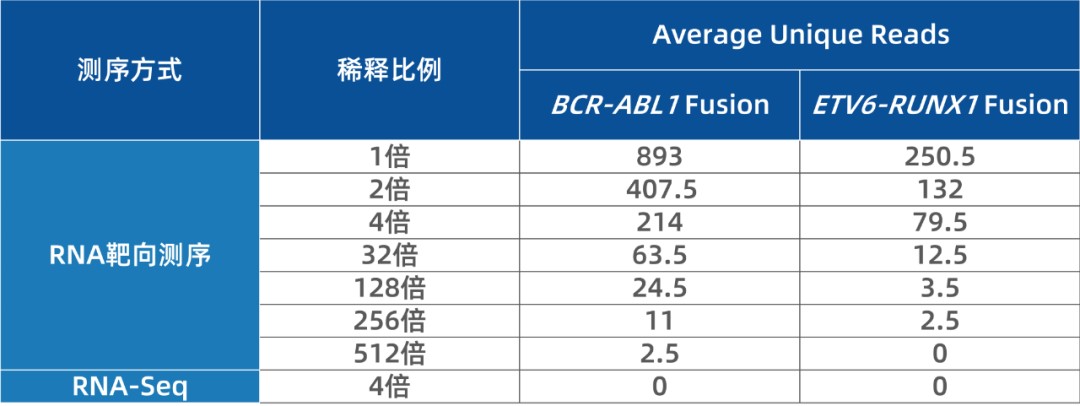
Note: BCR-ABL fusion standard ddPCR reference value: 134 copies/ng. ETV6-RUNX1 has no ddPCR reference value.
About iGeneTech®
iGeneTech is a national high-tech enterprise focused on gene capture technology. It owns fully independent intellectual property for both probe hybridization and multiplex PCR platforms and provides high-throughput diagnostic services. The company is committed to delivering globally leading gene capture solutions.
Through years of industrialization, iGeneTech has built a complete upstream-to-downstream product line in the gene capture field. Offerings include:
Custom gene capture panel development
Laboratory LIMS systems
Full-process automation solutions
Data analysis and interpretation systems
Laboratory quality management solutions
Rapid NGS sequencing services
Ultra-high-throughput diagnostic services
iGeneTech is among the first in the world to offer end-to-end gene sequencing solutions, empowering third-party clinical labs, precision medicine centers, genetic testing firms, and clinical researchers with highly automated, intelligent, and productized ALL-IN-ONE gene testing solutions.
 CN
CN