As the core of dairy industry development, the genetic quality of dairy cows directly determines their milk production performance and health status. Based on high-throughput sequencing technology, the dairy cow whole exome enables in-depth analysis of all exonic regions in the genome. Although exons account for only about 1% of the genome, they contain approximately 85% of known pathogenic mutation information and are the core genetic regions regulating phenotypic traits in dairy cows. Through precise decoding of this region, it can efficiently identify genetic markers related to milk yield, milk composition, reproductive performance, and disease resistance, providing precise targets for dairy cow genetic improvement.
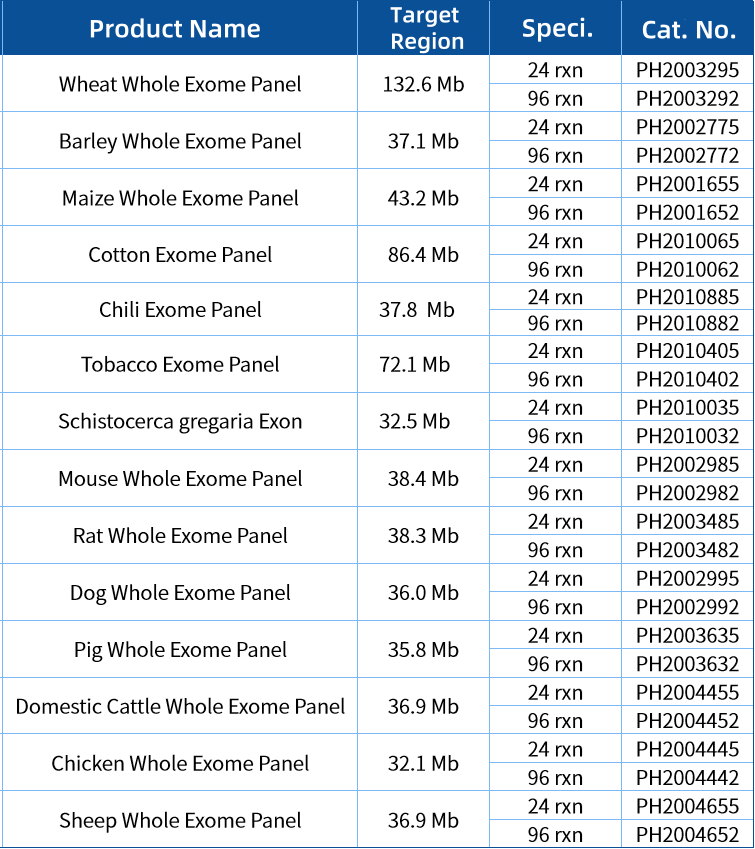
Relying on its self-developed IGT® Oligo Pools synthesis platform and TargetSeq® technology platform, iGeneTech has developed “Domestic Cattle Whole Exome Panel”, is designed with 448,106 probes based on the 36.9 Mb CDS regions of the ARS-UCD2.0 reference genome, enabling efficient and uniform capture of bovine CDS regions. When using bovine gDNA for sequencing on the MGI platform, the capture efficiency exceeds 80%, the 20% uniformity reaches over 97%, and only 9 Gb of data is required to achieve a sequencing depth of over 120×, with excellent performance indicators.
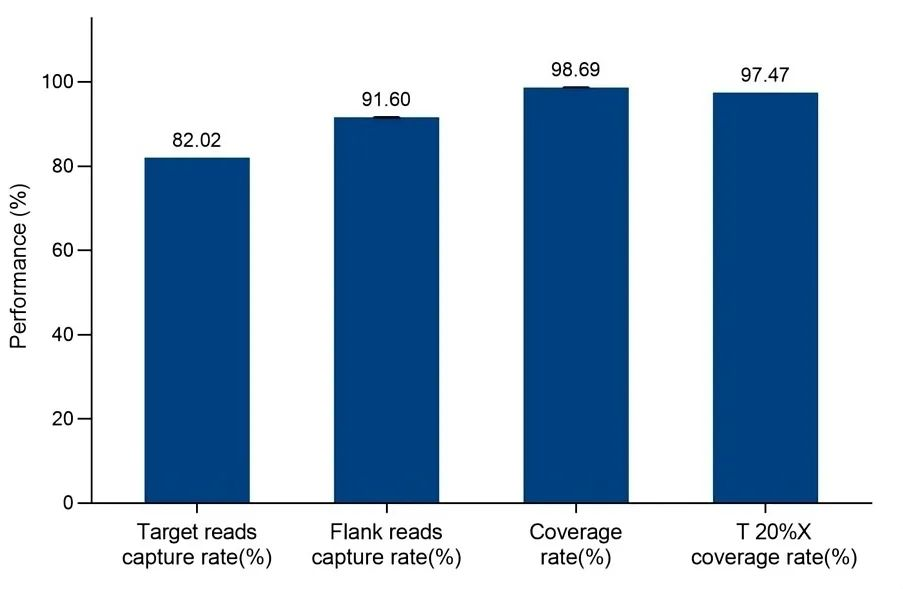
Figure 1: Capture Efficiency Performance of Domestic Cattle Exome Panel
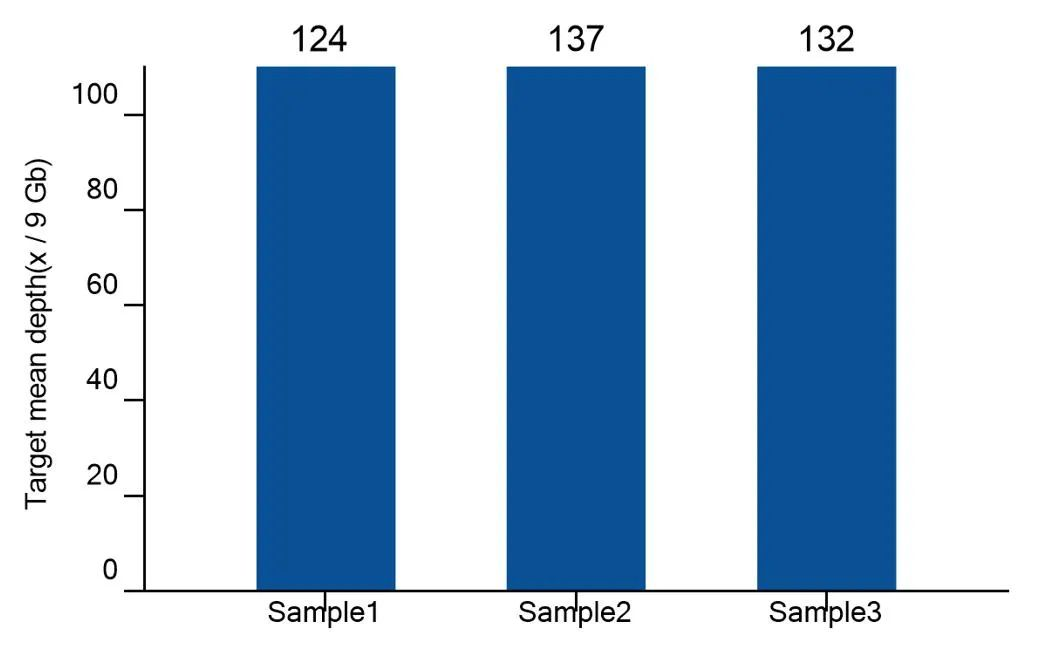
Figure 2. Effective depth performance of Domestic Cattle Exome Panel at 9 Gb data volume
Product Applications
Genetic Disease Screening and Prevention: For common hereditary diseases in dairy cattle, whole-exome sequencing can accurately identify pathogenic genetic variants, assisting veterinarians in diagnosing suspected diseased cattle or conducting early risk assessment for healthy cattle. This enables proactive preventive measures to reduce the incidence of diseases.
Breeding Optimization and Quality Improvement: In dairy cattle breeding, the application of dairy cattle whole-exome testing helps screen individuals carrying genes for favorable traits (and free of harmful mutations) as breeding parents. This reduces the transmission of hereditary diseases to offspring, strengthens the characteristics of superior breeds, and improves breeding efficiency and offspring productivity.
Research on Complex Traits and Diseases: For complex production traits of dairy cattle (such as lactation cycle, feed conversion rate, etc.) and diseases with complex etiologies (such as mastitis, metabolic disorders, etc.), whole-exome sequencing can quickly pinpoint potentially associated genes. It provides insights for studying their regulatory mechanisms and developing improvement plans, promoting the progress of dairy farming research.
Personalized Breeding Management: It provides genetic background analysis for dairy farms, including information on milk production-related genes and disease-susceptible genes. This helps develop personalized feeding, breeding, and medical plans, enhancing the economic benefits and sustainability of dairy farming.
To date, iGeneTech has launched over ten animal and plant exome products, with more exome products under development. All products support customization and semi-customization.
 CN
CN