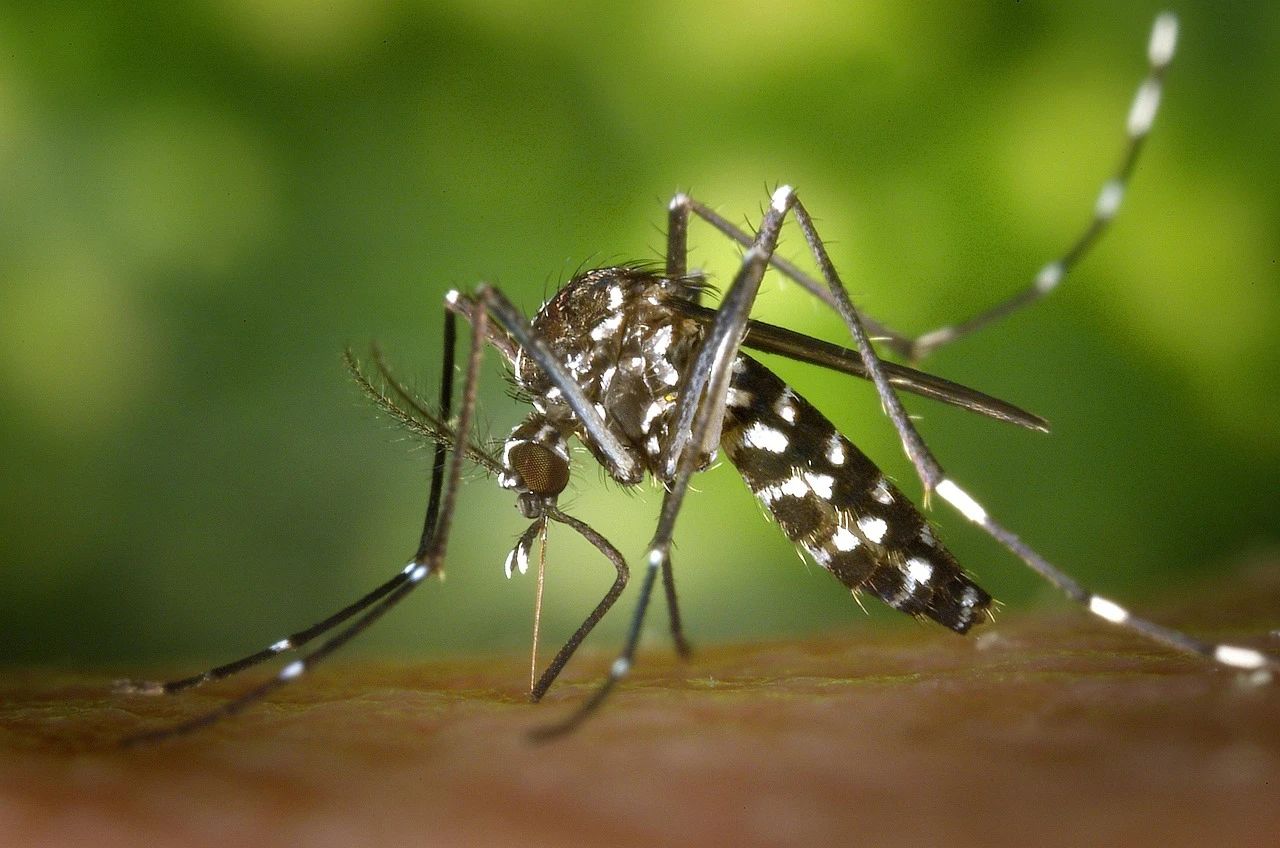
In the summer of 2025, mosquito vector activity entered its peak period. On July 15, Shunde District, Foshan City, Guangdong Province reported a local outbreak of chikungunya fever caused by overseas importation. As of that day, a total of 478 confirmed cases had been reported. Dengue fever and chikungunya fever, both acute infectious diseases transmitted by Aedes mosquitoes, pose a "dual-virus threat." Chikungunya fever has symptoms similar to those of dengue fever and shares the same transmission route; both are transmitted through the bites of Aedes albopictus and Aedes aegypti.
Dengue Alert: Global Epidemic and China Risk Map
The global dengue epidemic remains severe in 2025. According to data from the World Health Organization (WHO), as of June, 90 countries worldwide have reported over 3 million confirmed cases, with more than 1,400 deaths. Brazil alone has surpassed 1.5 million confirmed cases and 1,225 deaths, marking the largest-scale epidemic in its history.
Dengue Fever (DF) is an acute infectious disease caused by the Dengue virus (DENV). Like chikungunya fever, it is transmitted by Aedes mosquitoes, with overlapping symptoms (such as fever and rash). However, secondary infection with different serotypes of the dengue virus can lead to severe cases (including shock and organ failure). The epidemic risk areas of the two diseases highly overlap.
Typical symptoms
Acute fever (39-40℃, lasting 3-7 days); generalized pain (headache, myalgia, arthralgia); rash (appearing 3-6 days after onset); bleeding tendency (gingival bleeding, subcutaneous ecchymosis, etc.).
The National Center for Disease Control and Prevention (China CDC) points out that secondary infection with different serotypes of the virus significantly increases the risk of severe cases, which may lead to fatal symptoms such as shock and organ failure.
Authoritative Prevention and Control Guidelines: Blocking Transmission at the Source
Control of Vector Aedes Mosquitoes (Recommended by WHO)
Removing stagnant water: Clean water-holding containers such as vases and buckets weekly to eliminate the environment for mosquito egg-laying.
Physical protection: Install window screens and use mosquito nets (especially during dawn and dusk).
Chemical control: Spray insecticides indoors and use long-acting mosquito killers outdoors.
Key Points for Personal Protection
When going out, apply insect repellents containing DEET.
Wear light-colored long-sleeved clothes and pants to reduce skin exposure.
If fever or other symptoms occur after returning from travel, seek medical attention immediately and proactively report your travel history.
(Source: Chengdu Preventive Medicine Association; content refers to WHO Guidelines for Vector Control)
iGeneTech Dual-Virus Solution: Precise Capture, Responsive to the Situation
To meet the needs of preventing and controlling the two mosquito-borne viruses in summer, iGeneTech has launched a specialized solution based on its independently developed TargetSeq® liquid-phase probe hybridization capture technology with proprietary intellectual property rights. Compared with multiplex amplicon technology, the high tolerance of probe hybridization capture technology to variations can reduce missed detections caused by viral mutations, making it particularly suitable for rapid response during sudden outbreaks and meeting the core needs of disease control departments for "early detection and early traceability."
01 Dengue Virus Whole Genome Capture Kit
With reference to the whole genome sequences of multiple strains in the NCBI database, a total of 30,026 probes have been designed, covering the whole genomes of multiple serotypes of dengue virus, supporting accurate typing and severe case risk assessment.
Dengue Virus Capture Test Data

Figure 1: Results of mapping rate, coverage, and uniformity of test samples
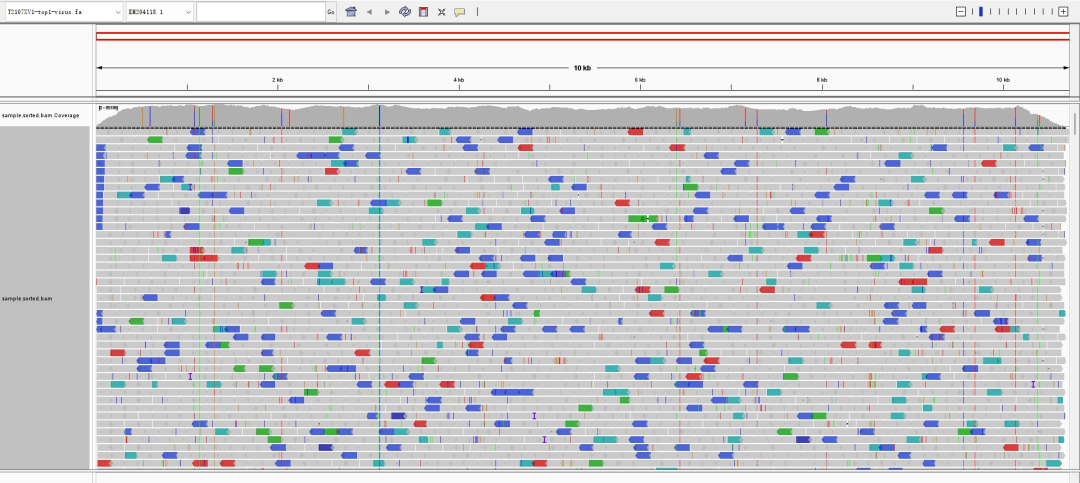
Figure 2: Display of Measured Coverage
02 Chikungunya Virus Panel
With reference to the whole genome sequences of multiple strains in the NCBI database, 6,474 specific probes have been carefully designed to cover the entire viral sequence.
Advantages: It has high tolerance to random viral variations, requiring no frequent probe updates. Even in the face of new variants, it can achieve efficient capture, facilitating rapid traceability and evolutionary analysis.
03 Relevant Product Matrix: Full-Process Support from Extraction to Detection
iGeneTech provides a complete solution for dual-virus detection, covering extraction, library construction, and capture kits. It also supports integration with automated liquid handling workstations and is compatible with multiple high-throughput sequencing platforms to meet the needs of different scenarios.

 CN
CN