Background
More than several hundred virus species are currently known to infect humans, and the pathogenic spectrum is highly complex. It includes pathogens such as influenza viruses and enteroviruses, which circulate widely in human populations and cause common respiratory and gastrointestinal infections, as well as highly pathogenic, high-risk viruses such as Ebola virus and Nipah virus, which can cause severe disease, clustered outbreaks, and even cross-species transmission. Facing such a complex viral spectrum, the traditional "one disease, one test" model can no longer meet the needs of precise prevention and control.
According to the "List of Pathogenic Microorganisms Transmitted Among Humans" and the classification standards of the International Committee on Taxonomy of Viruses, pathogenic viruses capable of infecting humans or closely related to human health belong to multiple viral families and genera, differing significantly in genome type, transmission route, pathogenic characteristics, and host range, which further increases the difficulty of rapid pathogen identification [1].
Notice of the National Health Commission on Human Infectious Catalogue of Pathogenic Microorganisms:

iGeneTech (IGT) launches a multiplexed whole-genome capture probe detection solution covering 156 virus species, with full-strain coverage of each species — 2,117,275 strains in total — to prevent missed detection. It supports both manual and automated workflows and is compatible with multiple sample types, providing technical support for the prevention and control of various human infectious diseases and enabling efficient, precise detection, typing, and tracing.
Species (Strains) Covered by the Detection Solution
Pathogen Detection Matrix
132 Human-Transmissible Viruses |
Orf virus (2146) | Buffalopox virus (187) | Camelpox virus (318) | Cowpox virus (819) |
Molluscum contagiosum virus (359) | Vesicular stomatitis virus (1048) | Pseudocowpox virus (162) | Rabbitpox virus (19) |
Tanapox virus (18) | Vaccinia virus (1857) | Polyomavirus (13634) | Simian virus 40 (718) |
Sendai virus (113) | Coronavirus (low pathogenicity) (41764) | Corliti virus (752) | Dengue virus (51038) |
Flavivirus (non-highly pathogenic) (7542) | Hepatitis C virus (176365) | Kunjin virus (159) | Langat virus (27) |
Somarez Reef virus (14) | Yellow fever virus (5) | Zika virus (2562) | Hazara virus (12) |
Human T-cell leukemia virus (8160) | Lentivirus (1197473) | Cytomegalovirus (12183) | Herpes simplex virus (12521) |
Squirrel monkey herpesvirus (106) | Human herpesvirus 6 (378) | Human herpesvirus 7 (266) | Human herpesvirus 8 (4763) |
Alphavirus (non-highly pathogenic) (1596) | Barmah Forest virus (171) | Bebaru virus (7) | Getah virus (307) |
O’nyong-nyong virus (29) | Adeno-associated virus (2197) | Semliki Forest virus (92) | Sindbis virus (765) |
Human papillomavirus (46382) | Lymphocytic choriomeningitis virus (viscerotropic) (407) | Hepatitis B virus (131947) | Hepatitis D virus (4092) |
Hepatitis E virus (14694) | Ross River virus (699) | Parvovirus B19 (3753) | Adenovirus (970) |
Cardiovirus (1447) | Coxsackievirus (54) | Rat leukemia virus (1) | Kusai virus (366) |
Crestvirus (4173) | Parechovirus (7331) | Guanarito virus (9) | La Crosse virus (369) |
Tahyna virus (119) | Tensaw virus (13) | Turlock virus (56) | Golden hamster leukemia virus (1) |
Murine leukemia virus (827) | Mouse mammary tumor virus (279) | Hepatitis A virus (11094) | Guinea pig herpesvirus (1) |
Sandfly fever virus (29) | Firande virus (121) | Hart Park virus (4) | Rabies virus (fixed strain) (27917) |
California encephalitis virus (10) | Germiston virus (2) | Inini virus (Simbu orthobunyavirus) (3) | Oropouche virus (2349) |
Severe acute respiratory syndrome coronavirus (SARS coronavirus) (26) | Lymphocytic choriomeningitis (neurotropic) virus (407) | Human immunodeficiency virus (types I and II) (20150) | Murray Valley encephalitis virus (263) |
Mayaro virus (235) | Everglades virus (17) | Mucambo virus (31) | Ndumu virus (17) |
Simian immunodeficiency virus (57236) | Chikungunya virus (8296) | Middleburg virus (139) | Rift Valley fever virus (1774) |
Nairobi sheep disease virus (137) | Sakhalin virus (Paramushir virus) (9) | West Nile virus (23929) | Rabies virus (street strain) (27917) |
Rocio virus (21) | Sepik virus (11) | Tamdy virus (22) | Issyk-Kul virus (43) |
Sagiyama virus (9) | Dori virus (79) | Negishi virus (4) | Powassan virus (695) |
Garba virus (3) | Poliovirus (15353) | Rochambeau virus (4) | Iningapi virus (4) |
Itaituba virus (7) | Hassan virus (5) | Razdan virus (6) | Kyzylagach virus (12) |
Ebola virus (206) | Marburg virus (3) | Gordi virus (6) | Heartland virus (84) |
Machupo virus (135) | Mopeia virus (215) | Sabia virus (16) | Tacaribe virus (30) |
Flexal virus (6) | Junin virus (239) | Guanarito virus (126) | Lassa fever virus (2700) |
Simian herpesvirus (114) | Eastern equine encephalitis virus (1418) | Venezuelan equine encephalitis virus (587) | Western equine encephalitis virus (189) |
St. Louis encephalitis virus (534) | Tick-borne encephalitis virus (3336) | Yellow fever virus (2218) | Crimean-Congo hemorrhagic fever virus (4853) |
Kumlinge virus (2) | Kyasanur Forest disease virus (313) | Louping ill virus (66) | Omsk hemorrhagic fever virus (131) |
Alastrim virus (2) | Variola virus (460) | Hendra virus (160) | Nipah virus (366) |
24 Common Human-Transmissible Viruses |
Rubella virus (170) | Measles virus (1274) | Mumps virus (1679) | Varicella-zoster virus (164) |
Monkeypox virus (2444) | Human metapneumovirus (1092) | Human immunodeficiency virus type I (8173) | Epstein-Barr virus (12521) |
SARS-CoV-2 (45955) | Other pathogenic coronaviruses (1623) | Norovirus (1642) | Rotavirus (4112) |
Bocavirus (206) | Astrovirus (21) | Dabie bandavirus (SFTS virus) (4848) | Hantavirus (1431) |
Japanese encephalitis virus (543) | Sapovirus (386) | Enterovirus (20692) | Rhinovirus (1493) |
Influenza virus (11172) | Rabies virus (3677) | Respiratory syncytial virus (13090) | Parainfluenza virus (1320) |
Based on the pathogenic spectrum above, iGeneTech developed two viral capture technologies: the Human-Pathogenic 132 Virus Comprehensive Panel (132 less-common mixed human pathogens) and the Human-Pathogenic 24 Virus Core Panel (24 common mixed human pathogens), together covering 156 human-pathogenic viruses.
In solution probe capture technology, the "breadth" of probe design directly determines detection coverage. Based on the self-developed TargetSeq® solution hybrid capture core technology, multiple viral hybridization capture detection solutions were developed, using the genome sequences of all strains of the 156 pathogenic microorganisms recorded in the NCBI public database over the past 20 years as target regions. With a high-density tiling design strategy, a capture probe library containing 2,386,550 specific probes was constructed.
This technology can efficiently capture novel variant sites arising during rapid viral transmission, providing high-resolution viral variation monitoring andtracing analysis capability for public health surveillance systems and key technical support for precise outbreak prevention and control.
TargetSeq® Automated Library Preparation, Capture, and Sequencing Solution for Pathogenic Microorganisms
iGeneTech’s self-developed automated workstation reagent cartridge solution enables rapid, independent processing of individual samples, while flexibly scaling throughput through a multi-unit matrix, greatly reducing manual operations. Simply adding extracted nucleic acids, capture probes, and Index sequences to the cartridge starts the fully automated workflow with no additional manual intervention, fully meeting laboratory requirements for operational flexibility and fast turnaround.
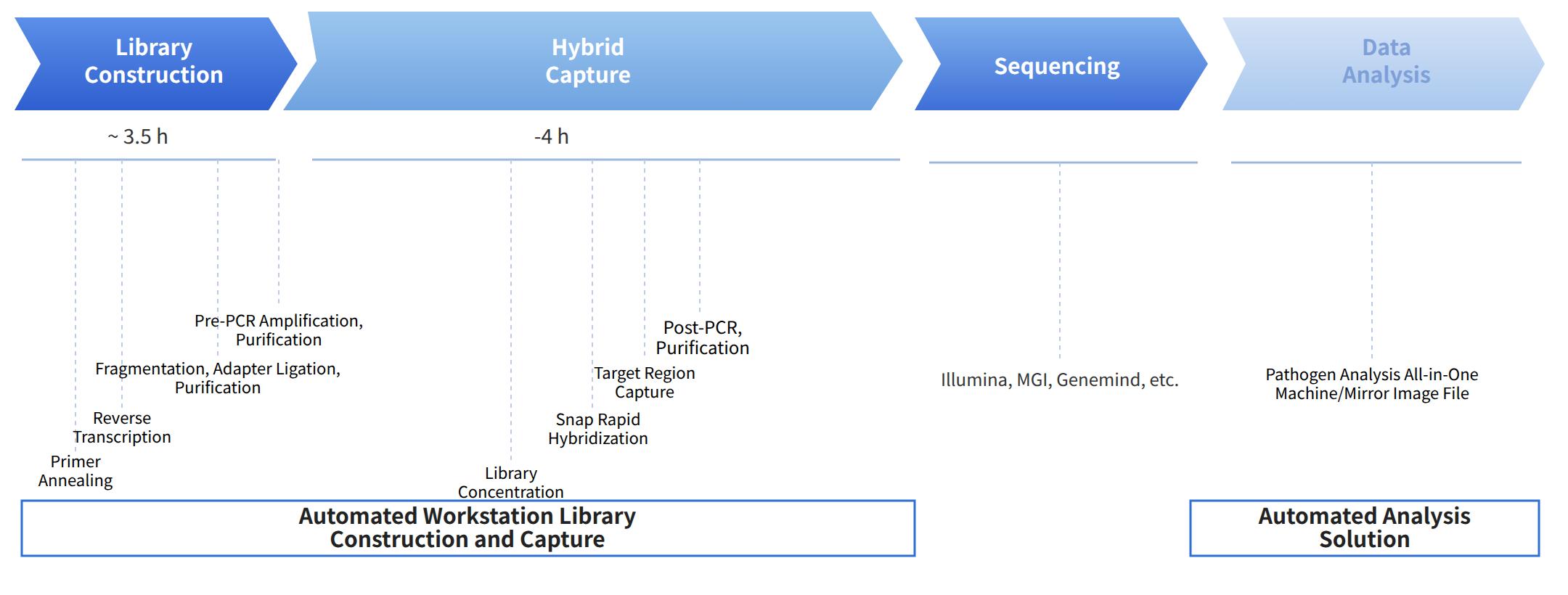
Figure 1. Automated Library Preparation and Capture Workflow

Figure 2. AS01 Automated Library Preparation and Capture Workflow for Whole Genome Pathogenic Microorganisms
The automated liquid workflow, combined with the DNA & RNA co-library preparation capture kit and the rapid hybridization capture protocol, achieves short-time hybridization between probes and libraries and supports same-day sequencing. It also enables simultaneous detection of DNA pathogens and RNA viruses within the same sample, effectively reducing reagent consumption and sample input.
Based on iGeneTech’s self-developed automated whole-genome analysis workflow for pathogenic microorganisms, raw sequencing data undergo quality control; the remaining Reads are aligned against a pathogen reference database, Reads mapped to target pathogens are extracted for de novo assembly, and the Top 1 strain by Read count is selected as the reference for reference-guided assembly, ultimately generating full-length sequences.
By integrating the automated experimental workflow with proprietary pathogen analysis algorithms, iGeneTech delivers a complete end-to-end targeted capture sequencing solution for pathogenic microorganisms, completing sample processing, library enrichment, sequencing, and pathogen sequence analysis in one stop.

Figure 3. Workflow of pathogen analysis all-in-one workstation
Core Highlights
156 viruses, two flexibly combinable Panels: the 24-species Core Panel covers the most common clinical pathogens for rapid screening; the 132-species Comprehensive Panel covers highly pathogenic, emerging, and outbreak-associated viruses for in-depth investigation and epidemic surveillance. The two can be flexibly combined to meet different application scenarios.
Joint DNA/RNA detection, one tube all the way: the universal co-library preparation kit captures both DNA and RNA viruses simultaneously, eliminating separate library construction, simplifying the workflow, and saving sample input.
Fully automated workflow with reproducible standards: from library construction to data analysis, the entire chain is equipped with automated instruments and integrated reagents, ensuring reproducibility and generalizability of results.
Ordering Information
Name | Spec | Catalog No. |
Human-Pathogenic 24 Virus Core Panel | 16 rxn | PH2008741 |
Human-Pathogenic 24 Virus Core Panel | 96 rxn | PH2008742 |
Human-Pathogenic 132 Virus Comprehensive Panel | 16 rxn | PH2004871 |
Human-Pathogenic 132 Virus Comprehensive Panel | 96 rxn | PH2004872 |
iGeneTech® Pathogen DNA & RNA Universal Co-Library Capture Kit (Illumina) | 16 rxn | C12021 |
iGeneTech® Pathogen DNA & RNA Universal Co-Library Capture Kit (MGI) | 16 rxn | C12031 |
IGT-AS01 Automated Liquid Workstation | Unit | Q91020 |
Pathogen Data Analysis All-in-One Workstation | Unit | 7020MT PLUS |
Conclusion
In an era of frequent emerging infectious diseases, pathogen detection needs to shift from "passive response" to "active surveillance." With its Taxonomy ID-based full-strain probe design strategy, iGeneTech’s TargetSeq® pathogen capture sequencing solution achieves comprehensive coverage of 156 human-pathogenic viruses.
Reference
https://www.nhc.gov.cn/qjjys/c100016/202308/57f94fa7e121475ab87ff0ea14a92f6c.shtml
 CN